

 |
|-


COLLECTIONS A TO Z
The initial development of this educational content was made possible through a grant from the Elis Olssen Foundation and the commitment of Library of Virginia interns and the Educational Advisory Council.

Access to the digital collections found on Virginia Memory is made possible by federal funding provided through the Library Services and Technology Act program administered by the Institute of Museum and Library Services.
-
![[Out for an early morning canter at Virginia Beach, where the air is filled with the tang of the sea], [1939]. 1939 World's Fair Photograph Collection, Special Collections Prints & Photographs, Library of Virginia, Richmond, Va. icon](/docs/WF-02-06-024_thumb.jpg)
1939 World's Fair Photograph Collection
This VCC collection, displayed in the Virginia Room at the 1939 World's Fair in New York City, contains more than 3,000 photographs representing twelve aspects of Virginia life: scenic tours; recreation; historic homes; culture; history; colonial archaeology; scenery and natural wonders; physiography; agriculture; education; government and the people; and industry, commerce, and transportation.
-
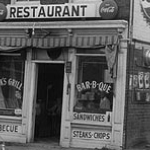
Adolph B. Rice Photograph Collection
The Adolph B. Rice Studio Collection constitutes a unique photographic record of life in Richmond, Virginia, from 1949 to 1961. The Library offers here digital versions of over 400 of the 16,000 images from Rice's commercial studio, covering studio portraits, aerial views, advertising shots for local department stores, and local religious and educational events. This collection is also available on Flickr. If you're familiar with the people, places, and events covered in the Rice Collection, you can add comments and metadata that will help us identify this content even better.
-
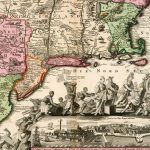
Alan M. Voorhees Map Collection
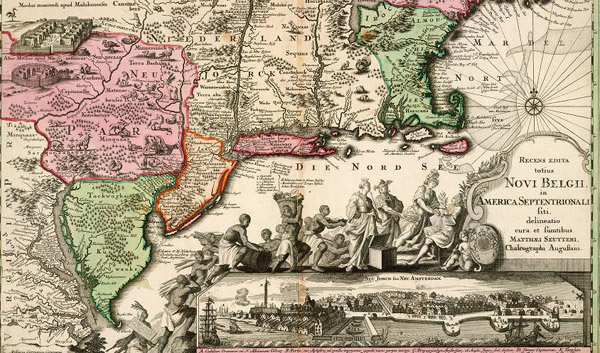
The Alan M. Voorhees Map Collection extends from the 1493 Nuremberg Chronicle through the U.S. Civil War period with the bulk of the collection consisting of pre–20th century maps. Included are maps made by Schedel, Ptolemy, deBry, Mercator, and Smith among many others. In a variety of map formats, such as nautical charts and views, the collection focuses primarily on the Chesapeake Bay area and the development of Virginia within the larger geographical and historical contexts of Europe and America. Virginia Memory hosts 67 of the approximate 72 titles housed in both the Library's Map Collection and Special Collections. Many of these maps were part of the exhibit Maps, Charts, & Atlases: The Alan M. Voorhees Collection at the Library of Virginia held from March 1, 2004–July 3, 2004 for the inaugural Voorhees lecture.
-
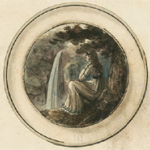
Benjamin Henry Latrobe Collection
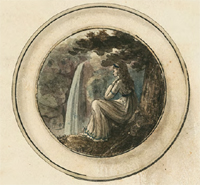
Works of Benjamin Henry Latrobe (1764-1820). Born in England, Latrobe worked as an engineer and surveyor, before turning to architecture. Latrobe began his architectural career in the office of Samuel Pepys Cockerell, a leading neoclassical architect. In 1796, Latrobe immigrated to Virginia, where he quickly secured architectural commissions for both residences and public buildings, including the Virginia State Penitentiary (constructed from 1797-1806). Following the planning for that structure, Latrobe spent the next two years working on his Essay on Landscape sketchbooks (1798-1799). Latrobe became a skilled architect, designing many important public buildings, public works, residences and churches throughout the nation.
-
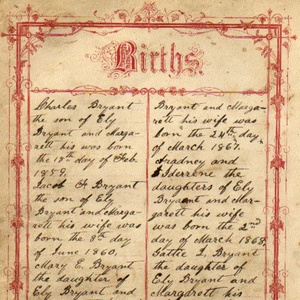
Bible Records Digital Collection
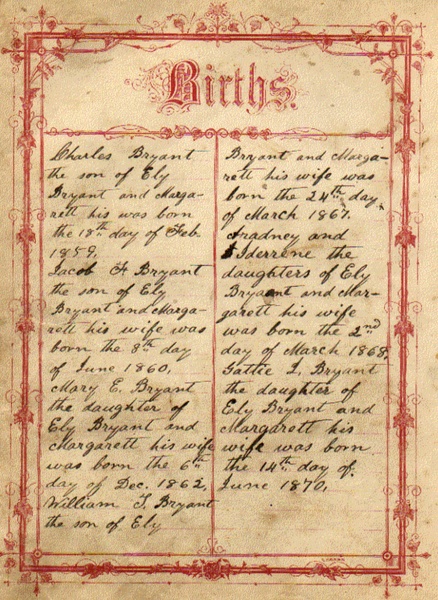
Virginia family Bible records are an important source for birth, death, and marriage dates and sometimes other personal and family information, including the births and deaths of enslaved persons. Centralized recording of vital statistics did not begin in Virginia until 1853, making early Bible Records even more valuable. The Library of Virginia has digitized over 7,000 Bible Records in its collection, which grows with new donations regularly. Some early images—usually digitized from photocopies--are less legible than more recent scans due to the poor quality of the paper records. Please contact Archives Reference at 804-692-3888 if assistance is needed.
-
![Detail from First map of the lateral canal in the valley of Jackson's River according to the survey made in 1824 [BWP 495 (25)]. icon](/docs/index?w=150&h=150&img=bpwicon.jpg)
Board of Public Works
The records of the Board of Public Works are rich in the details of the development of Virginia's internal improvements during the nineteenth century. Few collections in other archival institutions are comparable. Over the years, researchers have used the records for many purposes. Maps, plans, and correspondence relating to canals have aided in the restoration of canal locks and other surviving canal features. Records relating to turnpikes and railroads assisted in resolving right-of-way questions. Field survey notes help identify changes in topography and aid in the location of archaeological sites. Surprising as it may seem, sketches made in the 1830s and 1850s of county boundaries are still consulted today. View images of drawings, maps, and plans online now!
-
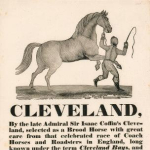
Broadside Collection
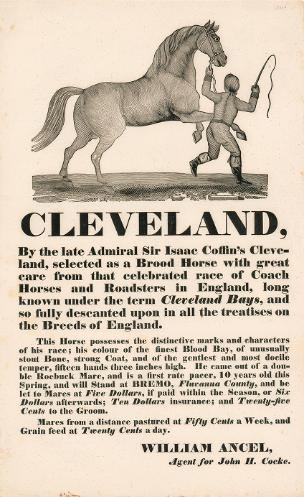
Broadsides are ephemeral material, usually intended for one-time use and printed on one side of one sheet of paper. They often include a date and were used to advertise or illustrate an event, meeting, product, or sale. Wills, political statements, proclamations, and theatre bills are also found in this collection. The Library of Virginia collection, which includes more than 1,700 broadsides dating from the eighteenth century to the present, provides a treasure trove of information to researchers about the activities and daily community affairs of Virginians, as well as insights into political, racial, and spiritual inclinations of their time.
-

Callahan Photograph Collection, Eastern Shore Public Library
Photographs from the Doran S. Callahan collection depicting scenes from the counties of Accomack and Northampton. Subjects include homes, churches, gravestones, important landmarks, courthouses, and other buildings. 85 photographs taken between 1895 and 1900.
-
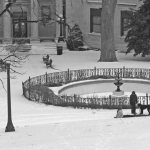
Capital Square Renovation Collection
This collection preserves the web sites that document the 2004-2007 renovation of the Capitol building designed by Thomas Jefferson in 1785, and the associated Capitol Square complex in Richmond, Virginia.
-
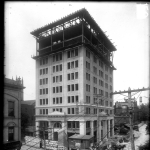
Carneal & Johnston Negative Collection
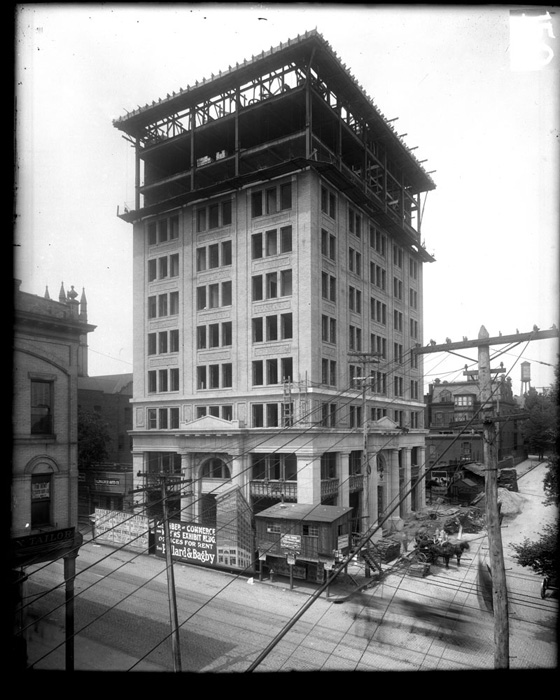
The Carneal & Johnston digital collection consists of 215 images created from glass-plate negatives documenting some of the many designs created by the Richmond architectural firm, including interior and exterior views of various commercial buildings and private residences designed by the firm. William Leigh Carneal Jr. (1881-1958) and James Markam Ambler Johnston (1885-1974) began their firm about 1908 after spending a year working independently while sharing office space. The firm went on to become one of the most prolific and long-established architectural practices in the state and by 1950 had helped to mold the architectural environment of central Virginia, especially Richmond. Responsible for more than 1,300 buildings, Carneal and Johnston practiced in a wide range of project types, from the mundane to the monumental. Some of the most notable structures represented in the collection include First Virginia Regiment Armory (1913), the Richmond Dairy (1914), the Colonial Theater (1919-1920), the Virginia State Office Building (1922-1923), and various structures on the campuses of Richmond College (now the University of Richmond) and Virginia Military Institute. The collection, purchased at auction by the Library of Virginia Foundation in 2009, complements some of the Library's several Carneal & Johnston architectural drawings and plans related to state government buildings.
-
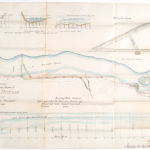
Chancery Records Index
The Chancery Records Index (CRI) is a result of archival processing and indexing projects overseen by the Library of Virginia (LVA) and funded, in part, by the Virginia Circuit Court Records Preservation Program (CCRP). Each of Virginia's circuit courts created chancery records that contain considerable historical and genealogical information. Because the records rely so heavily on testimony from witnesses, they offer a unique glimpse into the lives of Virginians from the early 18th century through the First World War. More information »
More Information on Chancery Records IndexClose [X]
The Chancery Records Index (CRI) is a result of archival processing and indexing projects overseen by the Library of Virginia (LVA) and funded, in part, by the Virginia Circuit Court Records Preservation Program (CCRP). Each of Virginia's circuit courts created chancery records that contain considerable historical and genealogical information. Because the records rely so heavily on testimony from witnesses, they offer a unique glimpse into the lives of Virginians from the early 18th century through the First World War.
The original court papers are flat-filed, indexed, and conserved using a set of standards developed by the LVA. Since the tri-folded records are often in poor condition, special attention is paid to preparing them for digital reformatting. This laborious process is undertaken so that the best quality images can be captured in one effort. The valuable original records are then retired to secure storage.
The reformatted images—whether digital scans or microfilm—can be viewed at the Library of Virginia, at the circuit court clerk's office, or, in the case of digital images, from any internet connected computer. The indexed but-not-yet-reformatted original records in the Library's care can be viewed in the Archives Research Room prior to reformatting. During reformatting, some or all of the original records may be unavailable for viewing; however, the full index will remain available for research purposes. Information is added to the CRI in such instances to alert researchers regarding a collection's availability.
There are over 277,000 cases indexed in the database and over 12.5 million images of chancery causes available online. -

Charles F. Gillette Virginia Photograph Collection
This collection of photographs highlights Virginia houses, estates, gardens, and other landscape design projects created by the famed landscape architect Charles Gillette.
-
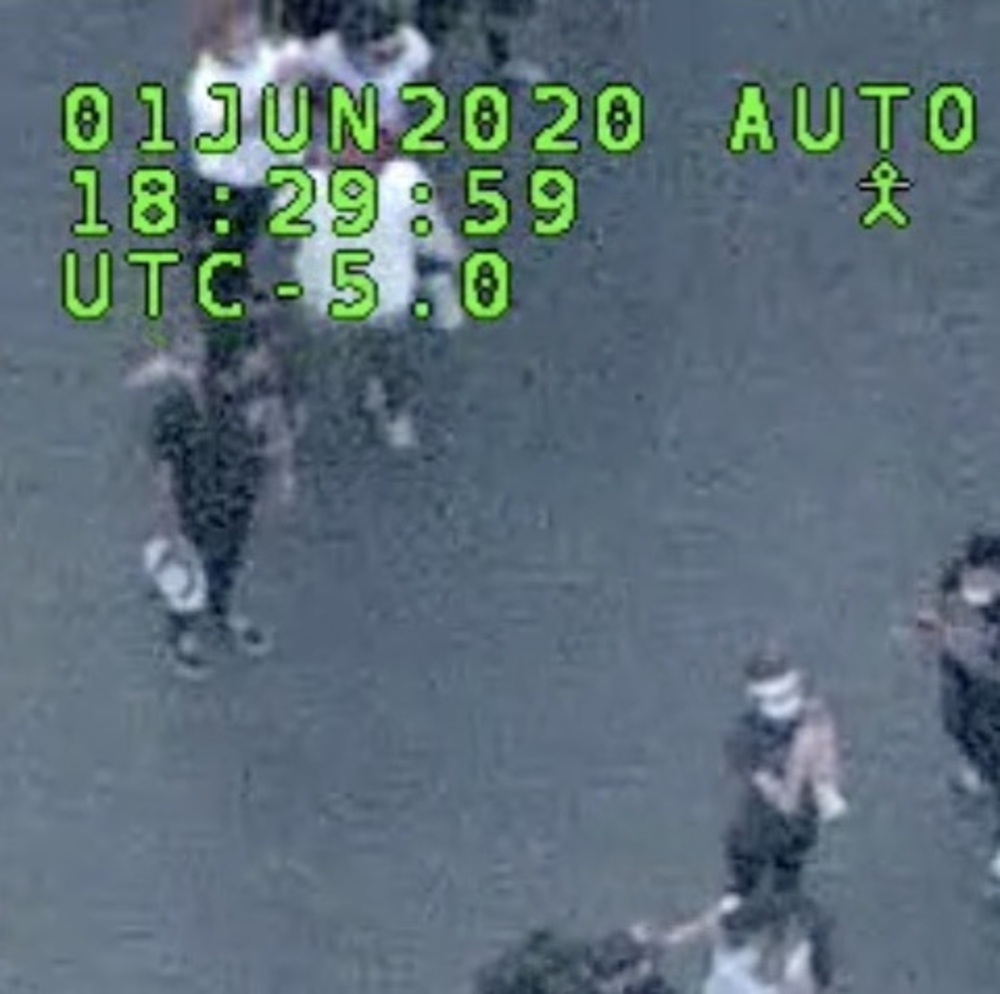
City of Richmond 1 June 2020 Protest Collection
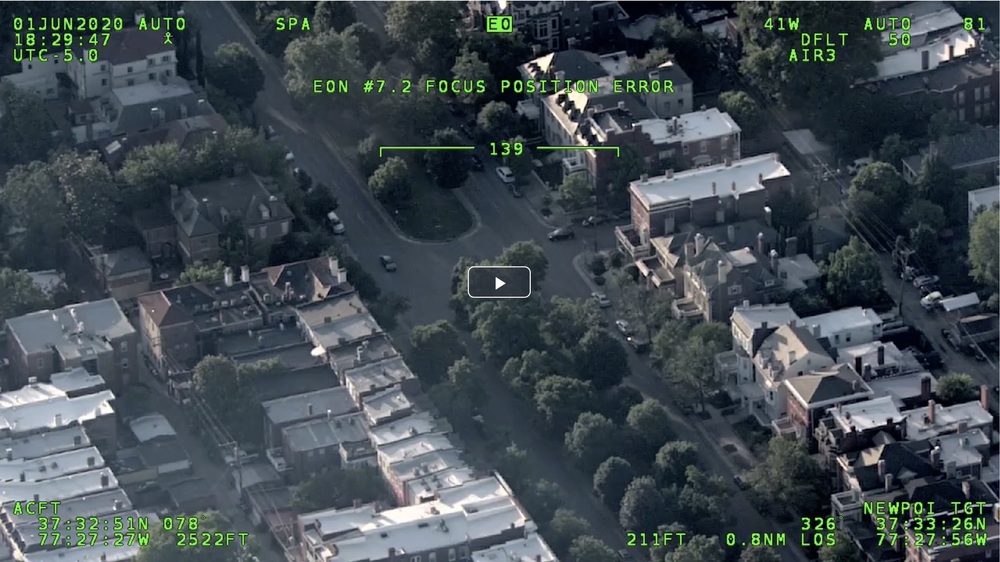
City of Richmond (Va.) records pertaining to the events surrounding protests along Monument Avenue on 1 June 2020. The records came to the Library of Virginia as part of the settlement agreement between Jonathan Arthur, Ryan Tagg, Keenan Angel, Christopher Gayler, Megan Blackwood, and Jarrod Blackwood (plaintiffs), and the city (defendant). The suit was filed over the use of tear gas on protesters demonstrating at the Lee Monument.
-
Civil War Map Project
Nearly 200 Civil War cartographic items from the Library's vast map collection originally digitized as part of a cooperative project between the Library, the Library of Congress, and the Virginia Historical Society.
-
Cohabitation Registers
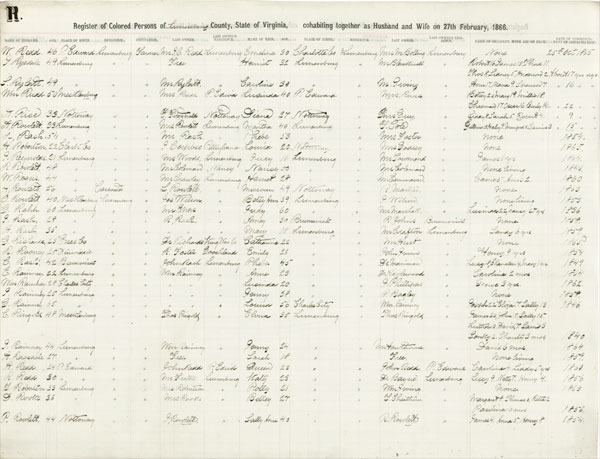
A cohabitation register, or as it is properly titled, Register of Colored Persons…cohabiting together as Husband and Wife on 27th February 1866, was the legal vehicle by which former slaves legitimized both their marriages and their children. The information about an individual person contained in a cohabitation register is literally priceless as it is often the first time that a former slave appeared officially in the public record and because of the extensive kinds of information that the register recorded. Though recorded at the local level, registers may not exist for every Virginia county. Images of certain cohabitation registers are available here, along with accompanying full-text searchable transcriptions (pdf) of each. The Library is pleased to make registers in our collection or those that we can borrow available for public use as soon as we are able to digitize and index them. Check back often for new additions. More information »
More Information on Cohabitation RegistersClose [X]
Cohabitation registers are among the most important genealogical resources for African-Americans attempting to connect their family lines back through the oftentimes murky past to their enslaved ancestors. The registers date from 1866 and provide a snapshot in time for the individuals recorded therein and a wealth of information that may otherwise be impossible, or at least very difficult, to uncover. The documents may offer clues for how to proceed with an individual's history that otherwise may have remained hidden even from the 1870 federal census takers four years later. Historians are also interested in the registers because of what the registers might say about a particular community of people at a time when great changes had come about as a result of the Civil War and the end of slavery.
A cohabitation register, or as it is properly titled, Register of Colored Persons…cohabiting together as Husband and Wife on 27th February 1866, was the legal vehicle by which former slaves legitimized both their marriages and their children. The information about an individual person contained in a cohabitation register is literally priceless as it is often the first time that a former slave appeared officially in the public record and because of the extensive kinds of information that the register recorded.
Prior to the close of the Civil War, Virginia law provided no legal recognition for slave marriages. On 27 February 1866, the General Assembly enacted a law that entitled formerly enslaved people who had married during slavery to all of the rights and privileges as if they had been duly married by law and declared all of their children legitimate, whether born before or after the passage of this act. Additionally, the federal Bureau of Refugees, Freedmen, and Abandoned Lands (commonly called the Freedmen's Bureau) directed the assistant superintendents of the states to order the county clerks to make a registry of such persons cohabiting. These registers were either deposited with the local clerks of court or were retained in the Freedmen's Bureau records, now found at the National Archives.
Beyond accomplishing the original goal of the cohabitation registration which was the formalizing of slave marriages, the kind of information recorded in the registers is invaluable today to genealogists and historians alike. The surviving Virginia cohabitation registers recorded the name of the husband, his age, place of birth, residence, occupation, last owner, last owner's city or county of residence, the name of the wife, her age, place of birth, residence, last owner, last owner's city or county of residence, name of children with the ages of each, and the date of commencement of cohabitation.
A second type of register is often grouped together with the cohabitation registers but provides solely for the legitimization of children whose parents are no longer living together. The official title of this document is Register of Children of Colored Persons…whose Parents had ceased to cohabit on 27th February 1866. These registers were maintained separately than those for still–married couples and far fewer of them are known to survive. The information recorded is nearly identical to that of the cohabitation registers with the exception of the notation whether the children's mother was at that time living or deceased.
-
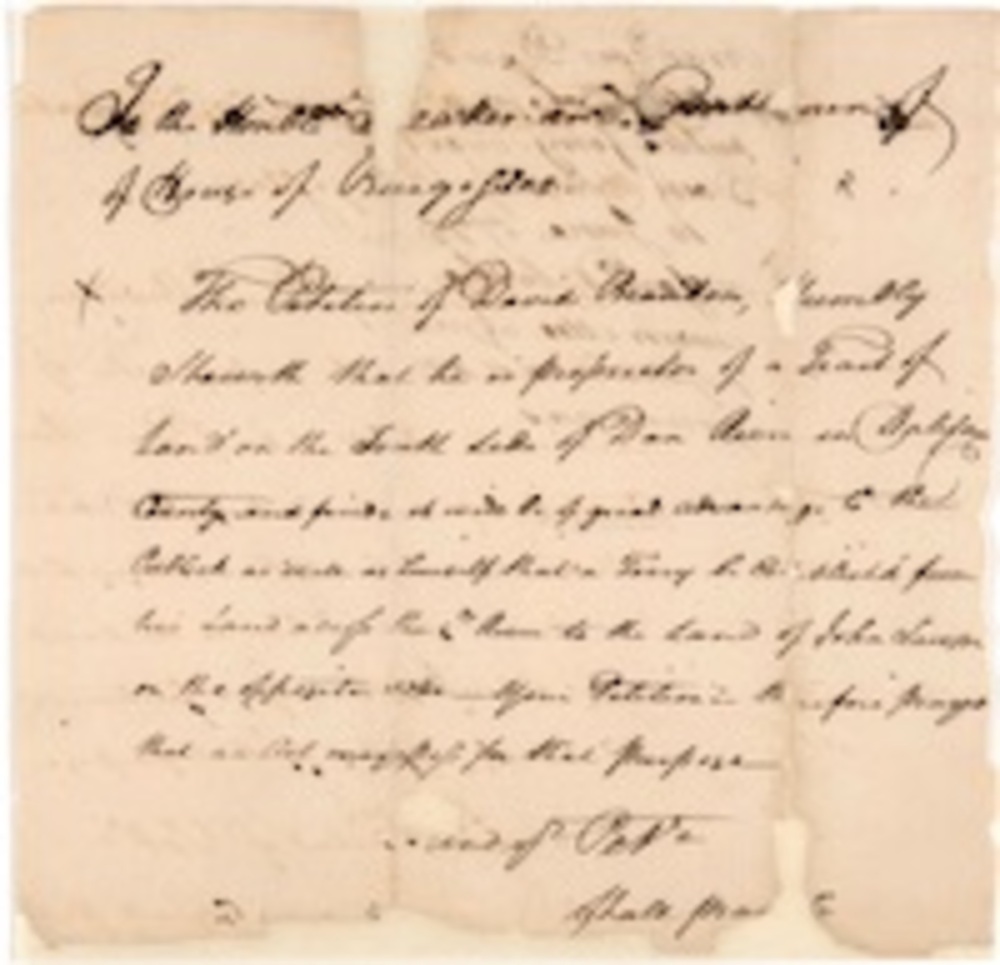
Colonial Papers
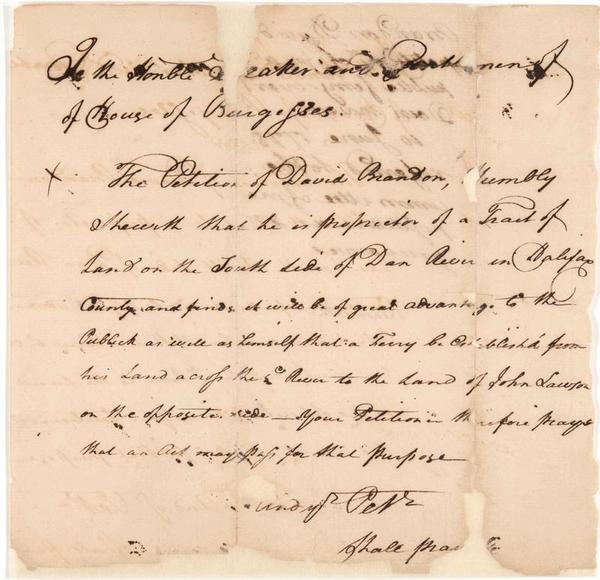
The Colonial Papers contain a collection of loose papers more closely connected by age than by any other single factor that consist largely of records kept by the clerk of the colonial council, House of Burgesses, the governor and other officials, relating to county as well as colony-wide government. The records of the colonial government have, for the most part, been destroyed by wars, fires, and early neglect. The collection consists of petitions to the governor or House of Burgesses, court records, orders, summonses, patents, accounts, proceedings, returns, grants, proclamations, addresses, certificates and correspondence.
-
![Application for George W. Horsely, 1884. Confederate Disability Applications (online collection) [APA 185], Library of Virginia, Richmond, VA. icon](/docs/AL-027-00132_thumb.jpg)
Confederate Disability Applications
applications to the Board of Commissioners on Artificial Limbs from injured soldiers
-

Confederate Pension Applications, Veterans and Widows
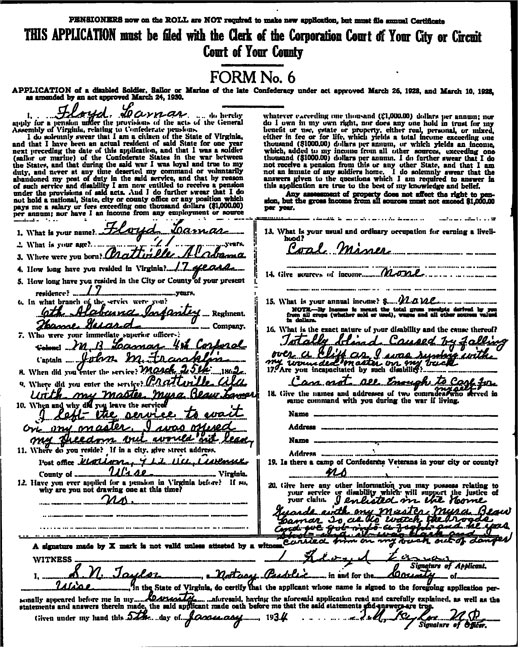
searchable database of pension applications and amended applications filed by resident Virginia Confederate veterans and their widows.
-
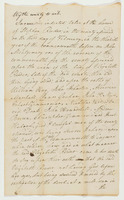
Coroners' Inquisitions Digital Collection
The Coroners' Inquisitions Digital Collection contains investigations into the deaths of individuals who died by a sudden, violent, suspicious manner, or died without medical attendance. Common causes of death found in these records include deaths relating to accidents, alcohol, drowning, homicide, injuries, infanticide, medical conditions, natural causes ('visitation by God'), and suicide. See the Virginia Untold Digital Collection for inquests relating to free and enslaved Black and multiracial individuals prior to 1865
-

COVID-19: Virginia Pubic Schools and Higher Education Collection
During the COVID-19 pandemic, the Virginia Department of Education (VDOE) issued guidance to help school divisions execute plans to continue instruction. In order to capture the implementation of VDOEs changing guidance, this collection archives each school division’s website as well as any COVID-19 specific sites from April 2020 to August 2022. Also included are COVID-19 specific websites for Virginia’s colleges and universities and the Virginia Department of Education website.
-
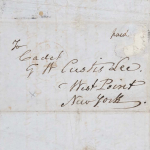
Custis-Lee-Mason Family Papers Digital Collection
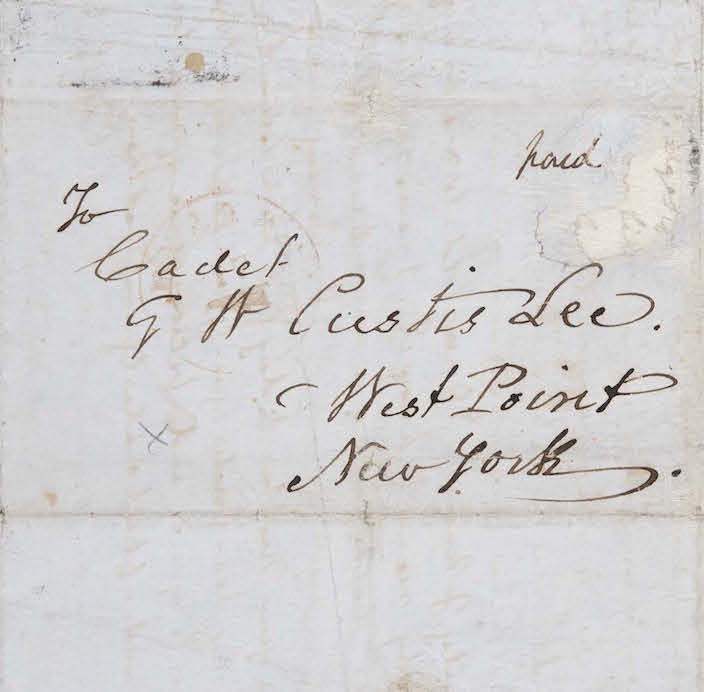
Digital collection of the Papers, 1756-1863, of the Custis, Lee, and Mason families of Virginia, consisting of correspondence to and from members of these families. The Custis family correspondence, 1756-1844, contains mainly correspondence to Mary Lee ...
-

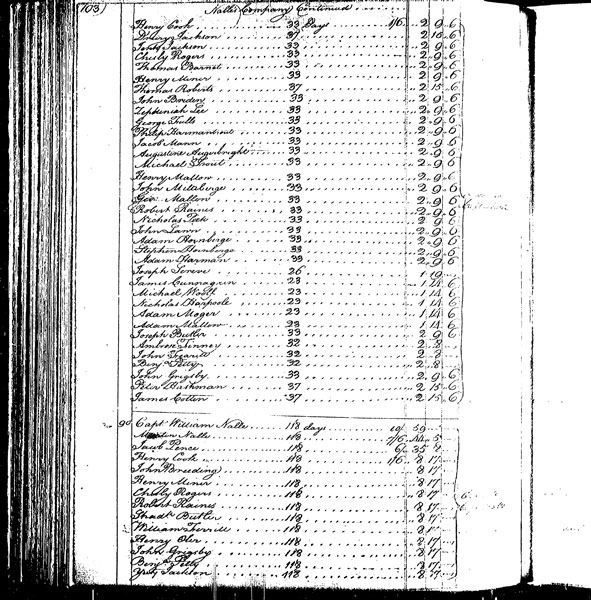
Dunmore's War Payroll and Service Claims
Index and images of the payrolls and muster rolls from Dunmore's War, a conflict between the Colony of Virginia and the Native Americans of the Ohio Valley
-
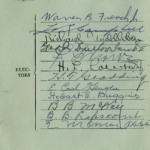
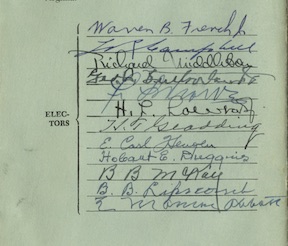
Electoral College Digital Collection
The Electoral College Digital Collection makes accessible the records of Virginia's Electoral College from 1789 to the present. The collection contains the Journal of Electors of Virginia, 1804-1856, 1876 and 1889, election certificates, and certificates of vote and ascertainment. Unfortunately, not all of Virginia's Electoral College records are extant. We have no records from 1792, 1800, 1872, 1880, 1892, 1896, 1900, 1904, 1908, 1920, 1928, and 1992
-
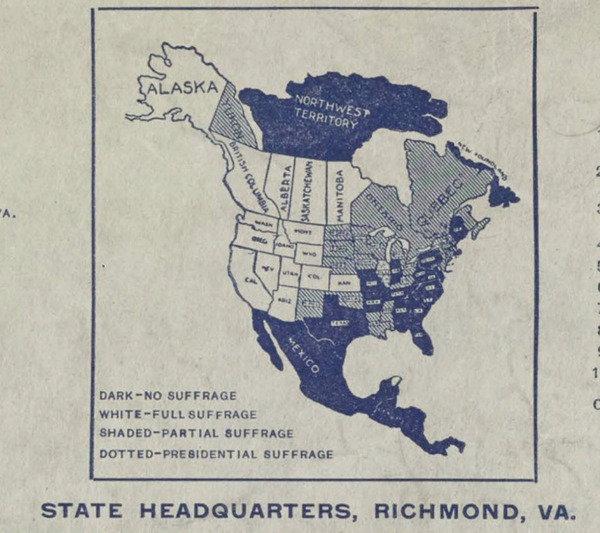
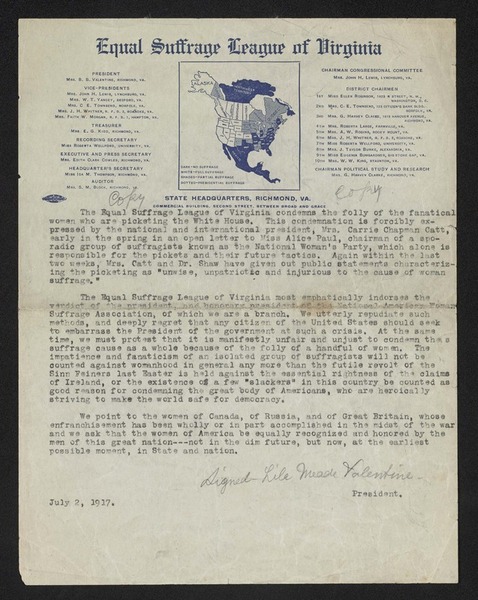
Equal Suffrage League of Virginia Records, 1908-1938
Digitized portions of the Equal Suffrage League of Virginia Records (Accession 22002), focusing on the materials created by members of the Equal Suffrage League, as well as some documents from the early years of the Virginia League of Women Voters. The collection includes correspondence between officers and with local ESL chapters, meeting minutes, state convention minutes and programs, news bulletins, broadsides and pamphlets, financial records, membership lists, and local chapter information. Published materials of the National American Woman Suffrage Association, the national League of Women Voters, and other organizations have not been digitized as part of this online collection, although they are available for use in the Archives Reading Room at the Library.
-
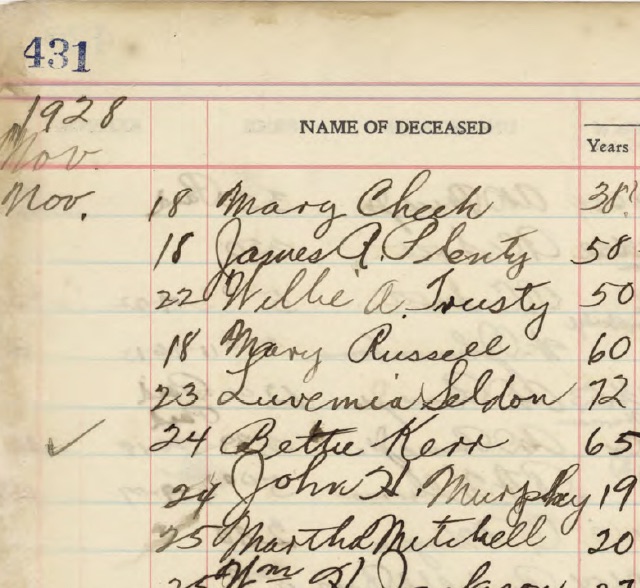
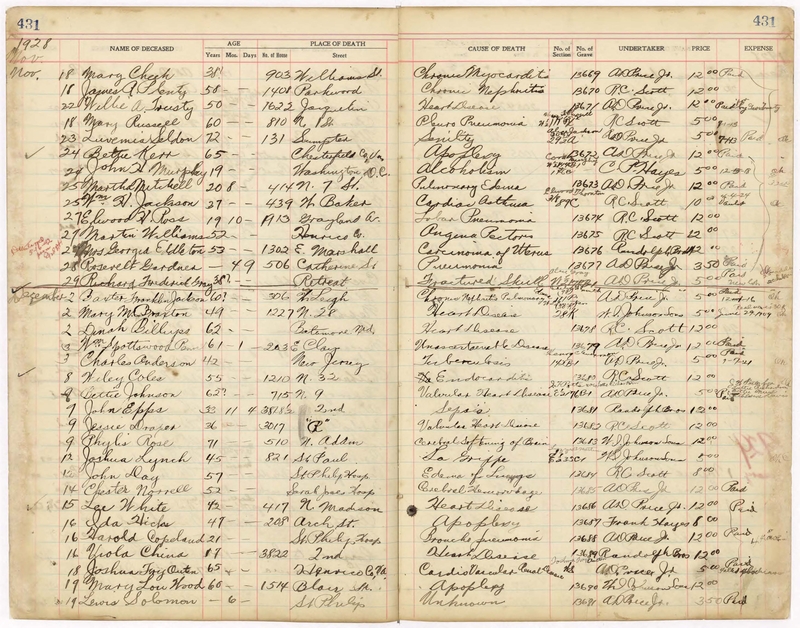
Evergreen and Woodland Cemeteries Digital Collection
Evergreen Cemetery is a historic African-American cemetery located in the East End neighborhood of Richmond, Virginia. Founded in 1891 as an African-American equivalent to Hollywood Cemetery, many notable African Americans are interred at Evergreen, including Maggie L. Walker, John Mitchell, Jr., and A.D. Price. Located in Henrico County, Woodland Cemetery was established in 1917 by the Woodland Cemetery Corporation, led by president John Mitchell, Jr. The site of interment of Arthur Ashe, Woodland Cemetery is the home to many of Richmond's wealthy and noteworthy African-American residents. Interment records are in the form of ledgers and index cards.
-
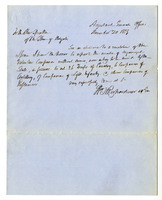
Executive Communications of the Office of the Speaker, 1776-1864
The Executive Communications contain correspondence to the Speaker of the House of Delegates between 1776 and 1864. This collection should not be confused with the Executive Papers which contain incoming correspondence directly to the Governor's Office. The Executive Communications, however, complement the Executive Papers by reiterating many of the central issues facing the Commonwealth. In addition, correspondence from the Governor often includes letters, accounts, petitions, proceedings, reports, returns, resolutions, and other documents for the consideration of the General Assembly.
-
Executive Orders Digital Collection
The collection contains all Executive Order and Executive Directives from the Office of the Governor of Virginia, beginning with Mark Warner's administration.
-
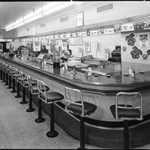
F.W. Woolworth Company from the Foster Studio Collection
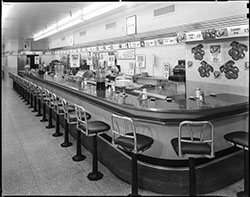
Foster Studio images of F. W. Woolworth Company stores in Richmond, Virginia. Most depict the Broad Street location, and largely center on the newly renovated International Style building that opened to the public in 1954. The collection contains exterior views of the new building upon its completion, and many interior views of the sales floor, retail displays, and the lunch counters, which later became a symbol of peaceful protest in 1960, when Virginia Union University students staged a sit-in there and at the Thalhimer's lunch counter to protest segregation.
-
![[Fairfax County Public Library, Fairfax, Virginia] [graphic]. Fairfax County Public Library Historical Collection. icon](/docs/FXCO-LIB-012_thumb.JPG)
Fairfax County Public Library Historical Photographs
The Library of Virginia is pleased to host a new sampling of photographs from the Virginia Room at the Fairfax County Public Library. This collection includes digitized images depicting every day life in the county over a good part of the late 19th and most of the 20th centuries. The photographs and postcard images cover activities & events from all across the county, including the Civil War, and show farms, businesses, schools, churches, and much more. Browse through the entire collection or search to refine your results.
-
![[Train crossing Alexandria viaduct], ca. 1957. Fairfax County Public Library Photograph Collections (online collection). Library of Virginia, Richmond, VA. icon](/docs/VDLP-Fairfax-railroad-washod_105_thumb.jpg)
Fairfax County Public Library Photograph Collection
Included here are approximately 190 photographs which are part of the Henry H. Douglas Collection of Washington & Old Dominion Railroad Photographs, 300 photographs which illustrated the Fairfax County Extension Service Annual Reports issued between 1922 and 1948, and seven photographs originally published in an article about Joseph Beard in the Washington Star Magazine, April 26, 1953.
-
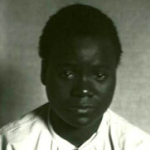
Forsaken: A Digital Bibliography
In his debut novel, Forsaken, Ross Howell Jr. tells the story of an uneducated African American servant, Virginia Christian, who was tried and executed for killing her white employer in 1912. This digital bibliography spotlights the documents and images found in the Library of Virginia's collections that Howell used in his research.
-
![Detail from A map of the most inhabited part of Virginia containing the whole province of Maryland : with part of Pensilvania, New Jersey and North Carolina, [1755?]. Map Collection, Library of Virginia. icon](/docs/index?w=150&h=150&img=fry_jeff.jpg)
Fry–Jefferson Maps, Surveys and Derivatives
This collection features 39 images from the 2008-2009 Library exhibition "From Williamsburg to Wills's Creek: The Fry–Jefferson Map," highlighting the sources and sequels of the Fry–Jefferson map, created by Joshua Fry and Peter Jefferson in 1755. Included in the collection are notes, maps and surveys by John Senex, George Washington, John Mayo, Herman Moll, and Guy Broadwater.
-
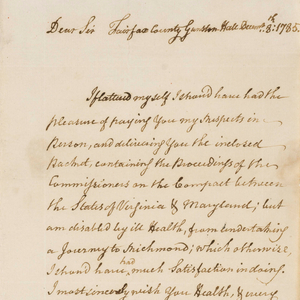
George Mason Papers, 1775-1789, Digital Collection
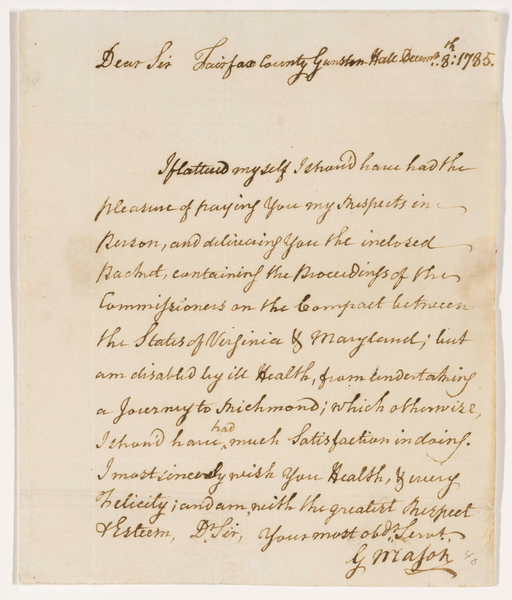
The George Mason Papers, 1775-1789, digital collection consists of correspondence, drafts of amendments, bills, declarations, and petitions and concern the work of Mason during the Virginia Conventions and his time in the Virginia House of Delegates. Of interest is a copy, by Mason, of the first draft of the Virginia Declaration of Rights, a draft bill for the establishment of a Land Office, and material related to the Mount Vernon Convention, which among other things established navigation rights of shared waterways between Maryland and Virginia.
-
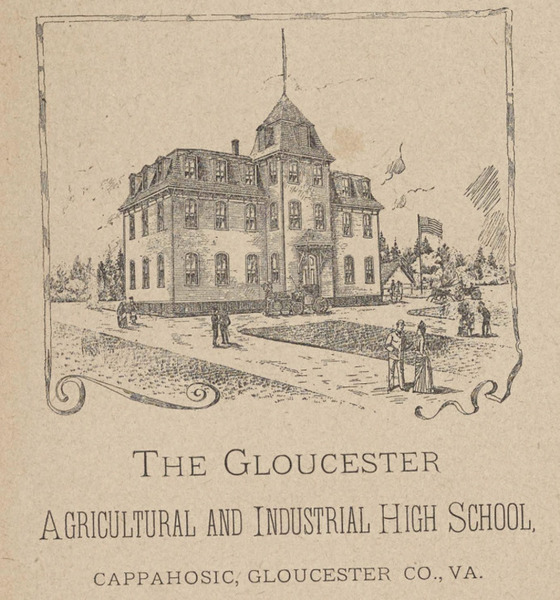
Gloucester Agricultural and Industrial School Records, 1877-1929
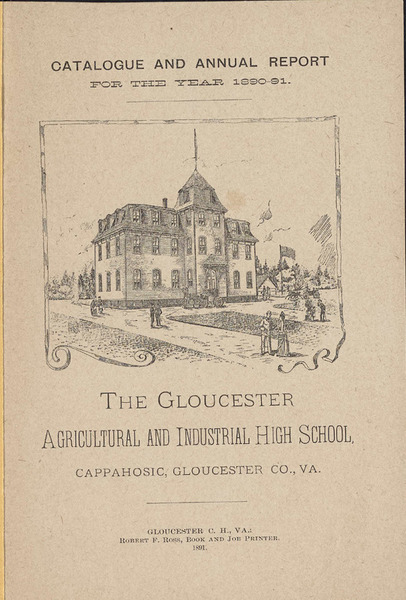
Records, 1877-1929, of the Gloucester Agricultural and Industrial School in Gloucester County, Virginia, founded in 1888 by William B. Weaver (1852-1929) and Thomas Calhoun Walker (1862-1953) to educate African Americans. Included are articles on the school, catalogues, circulars and forms, correspondence, deeds, programs, and teacher licenses. Of note is a minute and record book containing minutes from the school's formation, as well as invitations and flyers, including to programs where Frederick Douglass was the speaker. The Gloucester Agricultural and Industrial School records are part of the Weaver Orphan Home records (LVA accession 51625). The rest of the Weaver Orphan Home records are closed until 2065.
-
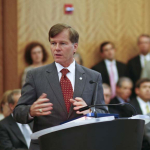
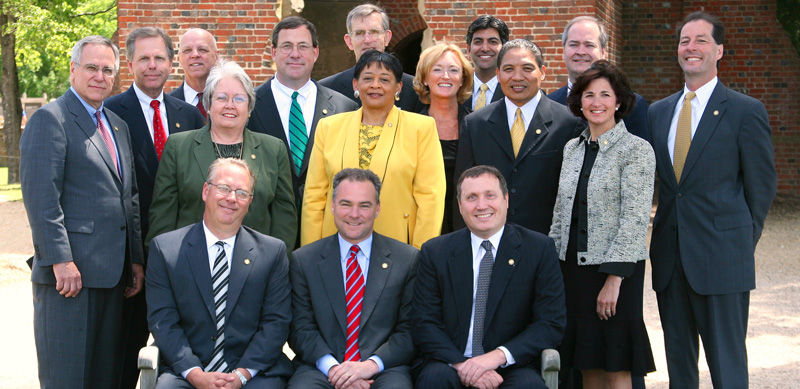
Government Reform Commission Reports
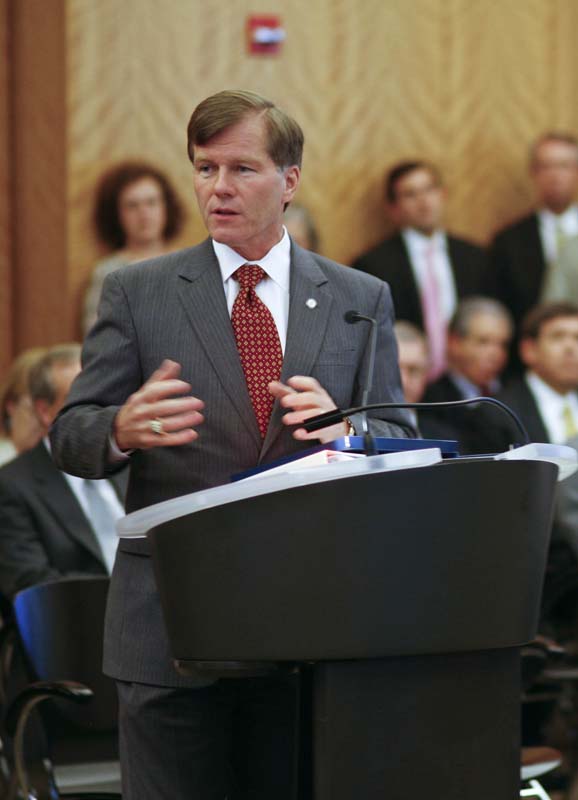
Governor Robert McDonnell's executive order on January 16, 2010, created the Commission on Government Reform and Restructuring, which he charged with streamlining state government and making it more efficient. Previous Virginia governors have also explored government effectiveness and efficiency. In the late 1920s Governor Harry F. Byrd Sr. carried out changes that set the state's modern template for government. In 1990 Governor Gerald Baliles's Commission recommended ways to improve government operations, in 1994 George Allen's Blue Ribbon Strike Force investigated similar ground, and in 2002 former Governor L. Douglas Wilder's Commission on Efficiency and Effectiveness outlined numerous suggestions for consolidation and improved efficiency to Governor Mark R. Warner.
-
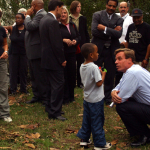
Governor Mark R. Warner Administration Photograph Collection
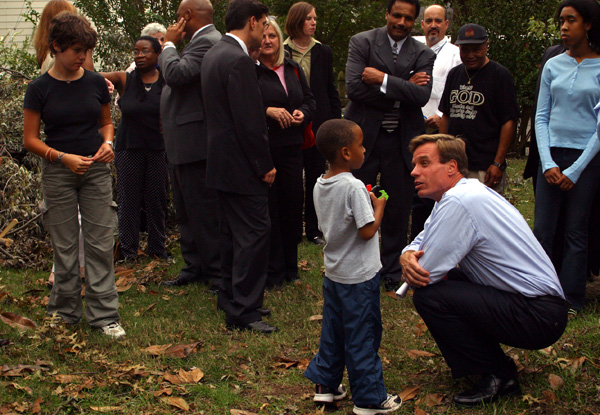
This collection documents the administration of Governor Mark R. Warner (2002-2006). The photographs are a sample of the entire collection transferred to the Library of Virginia in January 2006. As part of the records of the governor's Press Office, the photographs document major accomplishments of the administration; school group and organization visits to the capitol; bill signings; events centered on economic development, education, and transportation; the governor's travels throughout the state, and myriad other topics. Understanding of events is enhanced with other Press Office records that may be viewed in the Archives & Manuscripts Reading Room at the Library of Virginia.
-
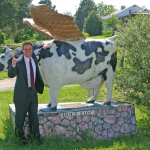
Governor Mark R. Warner Administration Web Archive
The Web archive of the Administration of Governor Mark R. Warner (2002-2006) contains archived versions of Web sites for the Governor's Office, his initiative sites, and the sites of his cabinet secretaries. Also included are the related sites for the First Lady, as well as the Lieutenant Governor and the Attorney General, two officials elected in the same cycle as Governor Warner.
-

Governor Ralph Northam Administration Web Archive, 2018-2022
This collection preserves the websites that document the 2018-2022 administration of Virginia's 73rd governor, Ralph Northam. Included in the collection are the websites for the governor, his cabinet secretaries and issues and initiatives. Also included are the websites of the First Lady Pam Northam, Lt. Governor Justin Fairfax, and Attorney General Mark Herring.
-
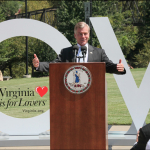
Governor Robert F. McDonnell Administration Web Archive
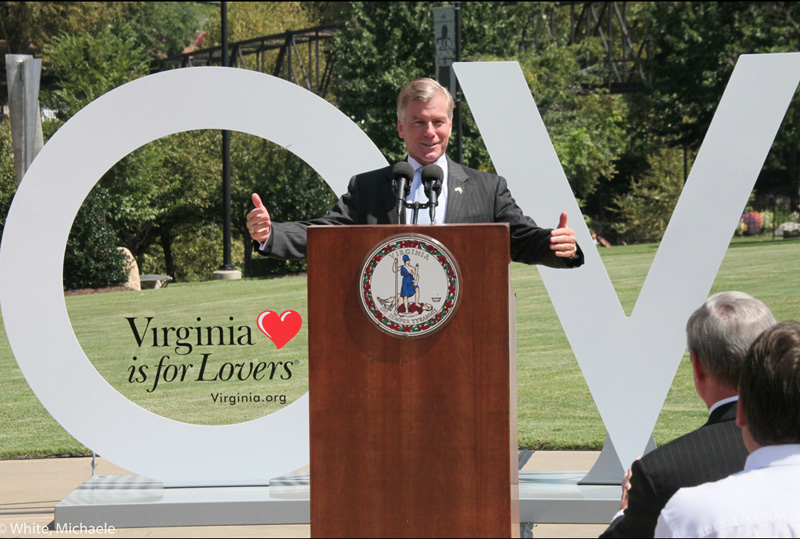
The Web archive of the Administration of Governor Robert F. McDonnell (2010-2014) contains archived versions of Web sites for the Governor's Office, his initiative sites, the sites of his cabinet secretaries, and the Governor's YouTube channel. Also included are the related sites for the First Lady (Maureen McDonnell), as well as the Lt. Governor (Bill Bolling), and Attorney General (Ken Cuccinelli), two statewide officials elected in the same cycle as Governor McDonnell.
-
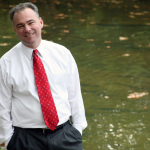
Governor Timothy Kaine Administration Collection
The Web archive of the Administration of Governor Tim Kaine (2006—2010) contains archived versions of Web sites for the Governor's Office, his initiative sites, and the sites of his cabinet secretaries. Also included are the related sites for the First Lady (Anne Holton), as well as the Lt. Governor (Bill Bolling), and Attorney General (Bob McDonnell and William C. Mims), two statewide officials elected in the same cycle as Governor Kaine.
-
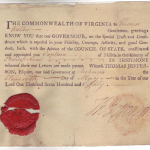
Governor's Letters Received, 1776–1784
a calendar of the manuscript collection of letters and other documents received in the Governor's Office of Virginia first six governors.
-
![[Infant in baby dress with dog], [1920]. Hamblin Studio Photograph Collection (online collection). Library of Virginia, Richmond, VA. Part of the Hamblin Photograph Collection housed at the Suffolk Public Library, Suffolk, VA. icon](/docs/VDLP-Suffolk-gp0163_thumb.jpg)
Hamblin Studio Photograph Collection, Suffolk Public Library
1,300 photographs taken by four photographers associated with the Hamblin Studio 1910-1975. Subjects include business, commerce, manufacturing, government, education, religion, social and cultural activities, and African American community life.
-
![Mitzi Gaynor & Andy Roberts Seafood Festival King & Queen Sep. 14-16, 1950, [1950]. Hampton Historical Collections Photographs (online collection), Library of Virginia, Richmond, VA. icon](/docs/VDLP-Hampton-0380_06_thumb.jpg)
Hampton Public Library/City of Hampton Historical Collection Photographs
1,400 photographs from the Christopher E. Cheyne collection depicting businesses, the seafood industry, the hotel and resort industry, prominent Hampton families, Confederate veterans, and other subjects; taken between 1894 and 1945.
-

Harry C. Mann Photograph Collection
A fully-searchable index to the Harry C. Mann Photograph Collection of glass plate negatives located in the Visual Studies Collection at the Library of Virginia
-
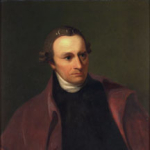
Henry Executive Papers Digital Collection, 1776-1778
Governor Patrick Henry's Executive papers primarily consist of incoming correspondence during Henry's three one-year terms as the first governor of Virginia between 6 July 1776 and 1 June 1779. The correspondence primarily relates to the Revolutionary War, Indian affairs, boundary disputes between Virginia & Pennsylvania in West Augusta, and the militia. Prominent correspondents from the United States government include John Hancock, Henry Laurens & John Jay, Presidents of Congress; Charles Thomson, Secretary of Congress; and Richard Henry Lee, Francis Lightfoot Lee, John Banister, & Thomas Adams, representatives to the Continental Congress. The digitization of this collection was funded through the Library Services and Technology Act (LSTA) from the Institute of Museum and Library Services (IMLS).
-
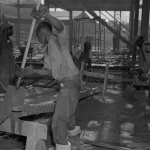
Hopewell Virginia Locals of United Mine Workers of America Photograph Collection
Spanning nearly three decades, this collection includes candid images documenting the growth of an industrial city. This online collection is a small sample of the nearly 4000 negatives and photographs available for research at the Library of Virginia. The prints and photographs in this collection show union officers and proceedings, strikers in action, contract-signing ceremonies, parades and marching bands, racially segregated recreational activities, Labor Day festivities, earth-breaking ceremonies, and construction and completion of Hopewell's Union Hall. Negatives from Hercules Powder Company (ca. 1947--1957) make up the largest measure of this collection and include images of workplace accidents and safety efforts, staff photos, operations and machinery, social clubs, notable visitors, and special events.
-
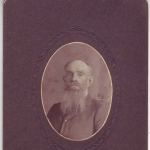
James I Robertson Jr Civil War Sesquicentennial Legacy Collection
This collection was initiated in cooperation with the Virginia Sesquicentennial of the American Civil War Commission between 2009 and 2015. Originally known as the CW 150 Legacy Project, the goal was to create a digital archive of original sources of information about the Civil War in Virginia that remained in private hands. Letters, diaries, and other material identified through this project help to put a human face on the period that transformed the United States. Citizens across the commonwealth shared their family treasures with the project staff, making their items available to future researchers. Users can browse all the items in the collection or perform more specific searches by battle name or keyword.
-
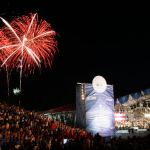
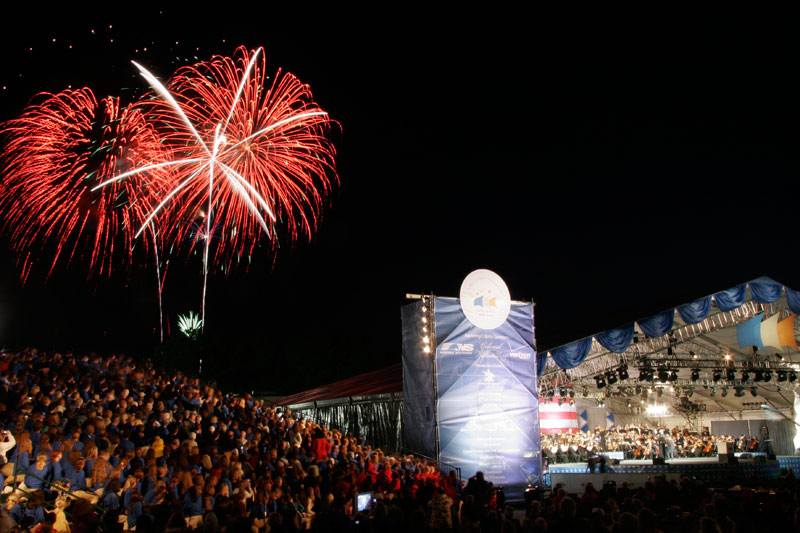
Jamestown 2007 Commemoration Collection
In 2007, the Commonwealth of Virginia will commemorate the 400th anniversary of the founding of Jamestown, the first permanent English settlement in the Americas. This collection documents the web presence of this commemoration across and beyond Virginia.
-
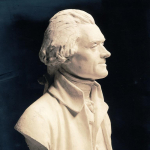
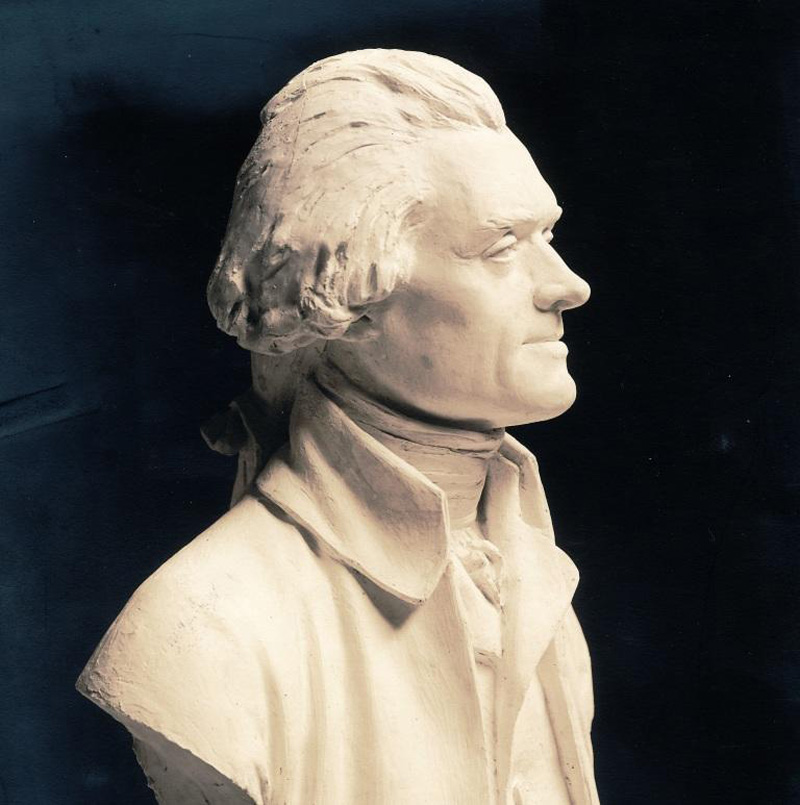
Jefferson Executive Papers Digital Collection, 1779-1781
Funding received from the Save America's Treasures program allowed the Library of Virginia to conserve, enhance description, and digitize the original letters contained in the Executive Papers of Governor Thomas Jefferson, 1779-1781. The correspondence primarily relates to the Revolutionary War, Indian affairs, the Articles of Confederation, the settlement of the boundary between Virginia & Pennsylvania, arms, ammunition, and the militia.
-

John Mitchell Jr. and the Richmond Planet, a Newspaper "Born in the Wake of Freedom"
John Mitchell Jr., founder of Richmond's first Black newspaper, the Richmond Planet, was a man of enormous stature and complexity. The Library of Virginia's web exhibition John Mitchell Jr. and the Richmond Planet, a Newspaper "Born in the Wake of Freedom" provides a context in which to understand Mitchell's life and work. It sheds light on his many contributions to the social and political life of Virginia's African American community while offering a glimpse into the world of newspaper publishing as America entered the twentieth century.
-
Kaine Email Project @ LVA
The Kaine Email Project @ LVA makes accessible the email records of the administration of Tim Kaine, Governor of Virginia from 2006-2010. Researchers can browse and search the inboxes of the Executive Office, cabinet secretaries, and their staffs. The collection is full-text searchable and provides important background information useful to anyone researching the challenges of modern government and society in early 21st century Virginia.
-
Legislative Petitions Digital Collection
Petitions to the General Assembly were the primary catalyst for legislation in the Commonwealth from 1776 until 1865. Public improvements, military claims, divorce, manumission of slaves, division of counties, incorporation of towns, religious freedom, and taxation were just some of the concerns expressed in these petitions
-
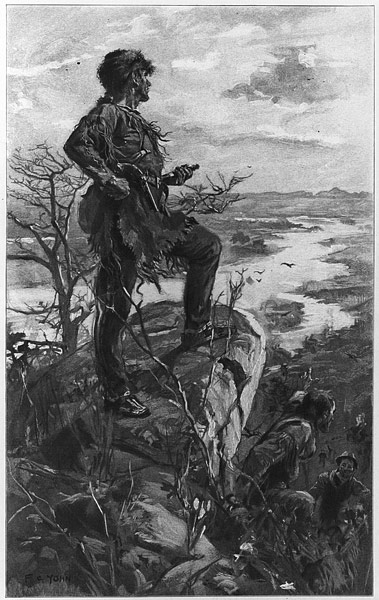
Lewis and Clark : "We send from this place with dispatches."
Enjoy an online sample of newspaper accounts created in honor of the 200th anniversary of the Lewis and Clark expedition.
-
Lost Records Localities Digital Collection
This collection consists of images for a wide variety of court records found as part of chancery and other locality records-processing projects. The images are of surviving records from localities where most records are no longer extant. The original record is scanned and the images are filed together in an artificial online collection—the Lost Records Localities Digital Collection. Please check periodically as this is an ongoing project.
-
Lynching and Racial Violence Collection
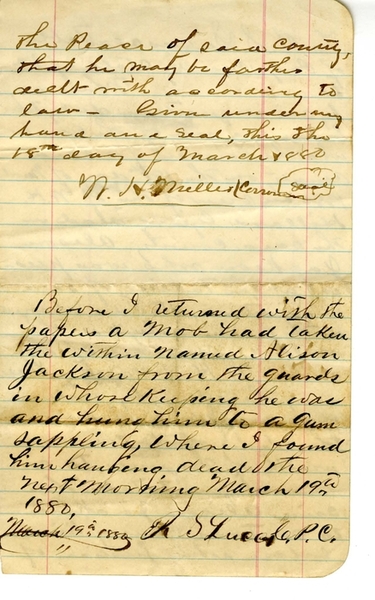
This collection contains documents related to lynchings in Virginia between 1866 and 1932, specifically commonwealth causes and coroner's inquisitions housed at the Library of Virginia. Lynchings were extralegal executions of individuals who have not been tried or convicted, usually by mob violence. During the Reconstruction and Jim Crow eras in Virginia, white mobs often targeted African American men who had been accused of crimes, or violations of racial norms. The documents in this collection correspond to victims in Racial Terror: Lynchings in Virginia, a research project led by Professor Gianluca De Fazio at James Madison University. Transcriptions of these documents were generated by Justice Studies students in the 2022 Senior Seminar on Lynching and Racial Violence, taught by Professor De Fazio, using the Library of Virginia's crowdsourcing project, Making History.
-
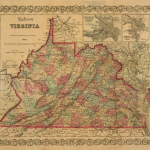
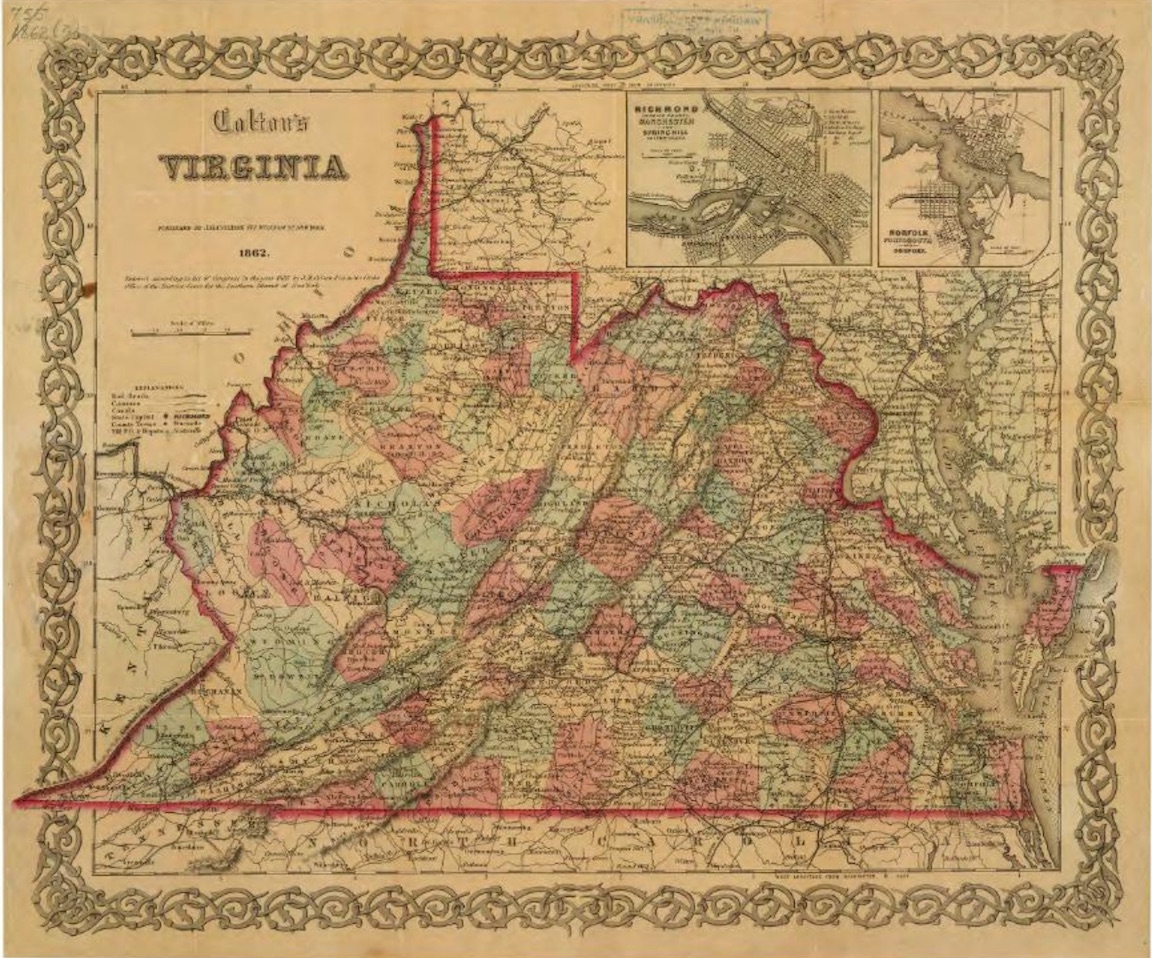
Map Collections (All items)
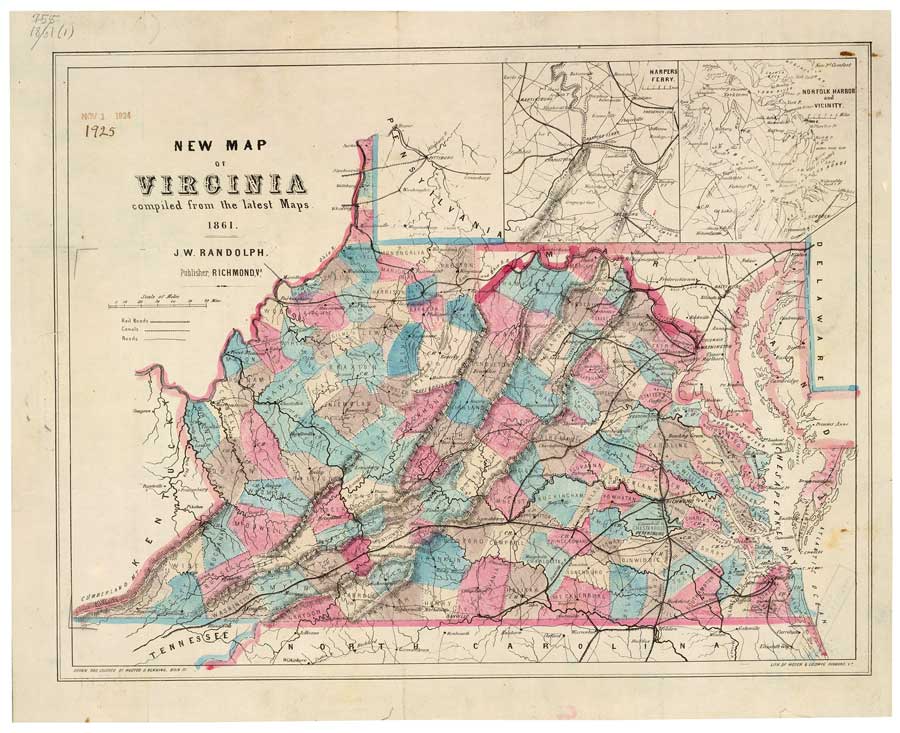
The Library of Virginia opened in the 1820s and the extant 1828 Library catalog lists maps including one that is still in our possession, the John Melish map of the United States. Here, you will find maps from the colonial period, state, county and city maps and nautical charts from the 18th and 19th century. Gradually, maps will be added to this online collection; please check back on a regular basis to see what's been added!
-
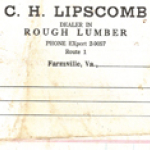
Martin Luther King, Jr., Commission Digital Collection
This collection consists of materials scanned as part of the Family Reunion: African American descendants of the Underwood Convention Delegates and Reconstruction Legislators event sponsored by the Martin Luther King, Jr., Memorial Commission on 6 July 2015. Collections relate to the descendants of James F. Lipscomb (1830–1893) and Peter G. Morgan (1817–1890), two of the first African Americans elected to the Virginia General Assembly. Lipscomb represented Cumberland County in the House of Delegates from 1869 to 1877. Morgan represented Petersburg in the Underwood Constitutional Convention of 1867-1868 and in the House of Delegates from 1869 to 1871.
-
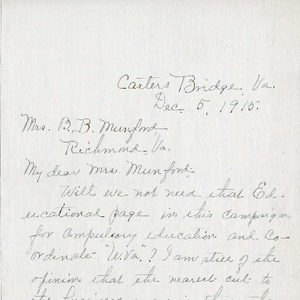
Mary-Cooke Branch Munford Papers
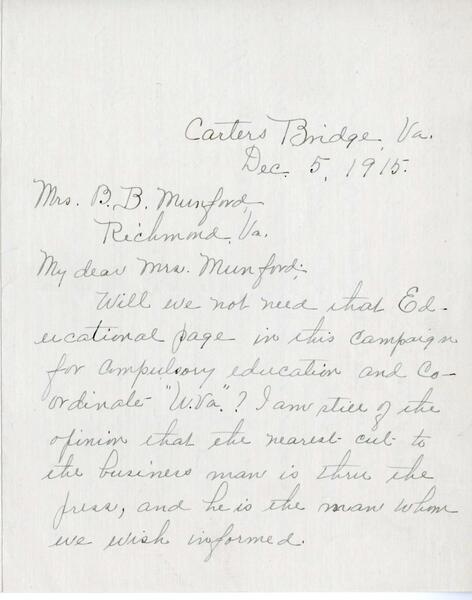
This collection contains correspondence related to the Co-ordinate College League, from Series I, Subseries 1 of the Mary-Cooke Branch Munford Papers (LVA Acc. 28142). Of interest are Munford's and the League's attempts to convince the University of Virginia to admit women by establishing a coordinate college with its own organization, and its own social, residence, and instruction halls. Includes correspondence from educators at the University, as well as around the state and nation, business leaders, politicians, and members of the League.
-
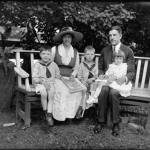
Michael Miley Studio Collection
Michael Miley (1841-1918), probably most famous for his portraits of Robert E. Lee, was a Rockbridge County native who contributed greatly to the burgeoning field of photography. In 1866, Miley partnered with businessman John C. Boude to open a photography studio at the corner of Main and Nelson Streets in Lexington. He purchased Boude's half of the business in 1870, named the studio the Stonewall Art Gallery, and found his niche as a portrait photographer. The Library of Virginia has a collection of 58 glass-plate negatives and 12 carte de visites taken in and around Miley's studio in Lexington. Although some of the images have been identified through crowdsourcing projects, most are unidentified. The most notable images in the collection are photographs of the singing group The Charity Nightingales and of the poet Spotswood Styles and his family.
-
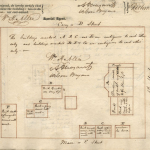
Mutual Assurance Society Policies for Richmond City and Henrico County, 1796–1867
indexes insurance policies issued by the Mutual Assurance Society between 1796 and 1867 for buildings in Richmond and Henrico County. Document images available.
-
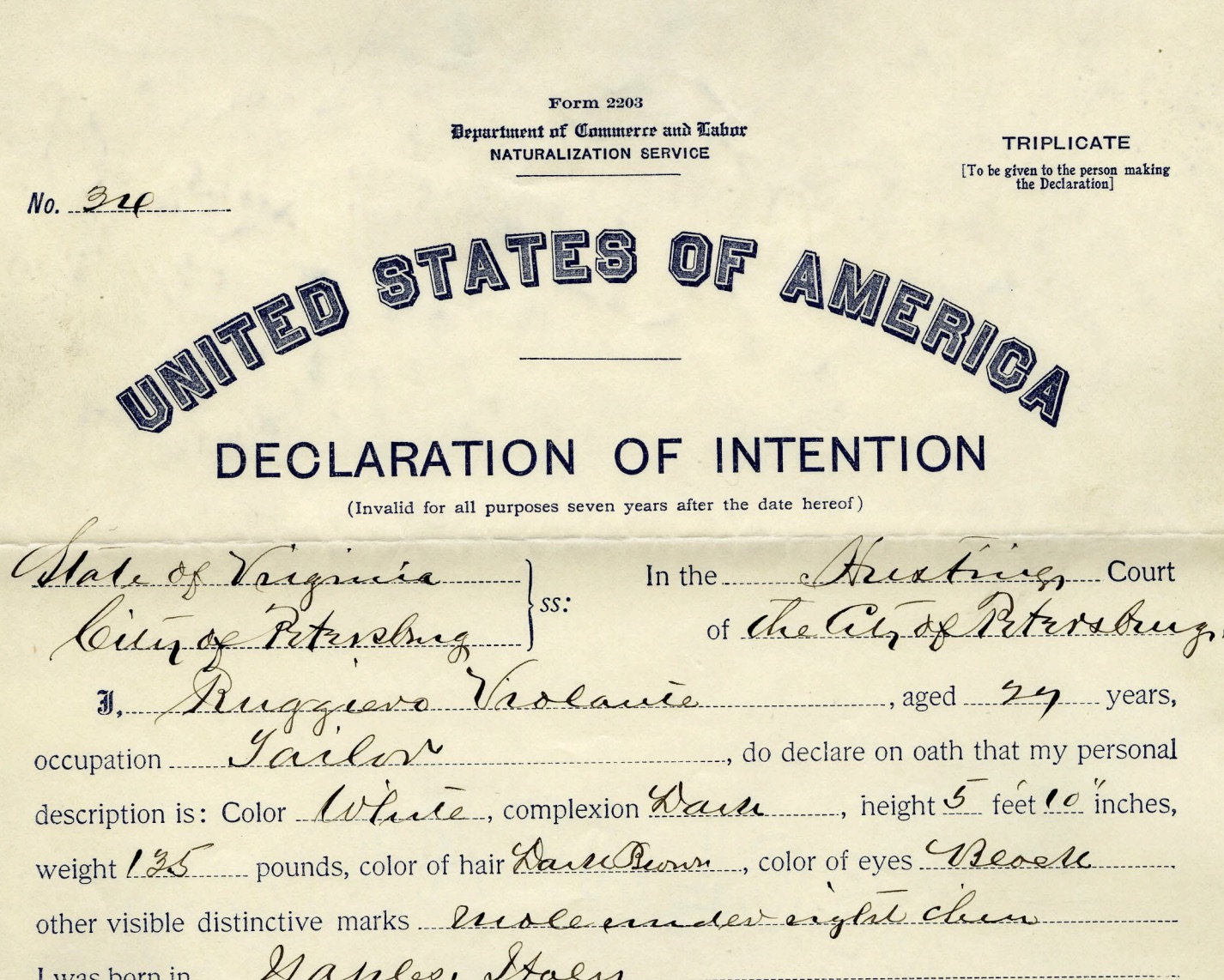
Naturalizations Digital Collection
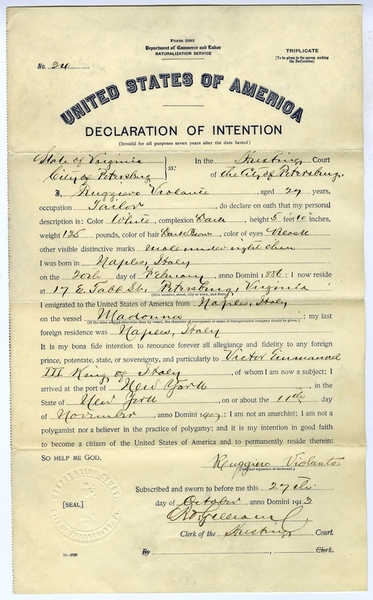
Naturalization records typically include affidavits, reports for naturalization, declarations of intent to become United States citizens, and notices of application for admission of citizenship. The reports are narrative accounts made by applicants summarizing their journey to the United States. The declarations of intent record the person's name, place of birth, age, country of previous citizenship, renunciation of allegiance and fidelity to the nation of which the person is currently a citizen, and the date the intention was sworn. Also found in the collection are affidavits filed with the reports and declarations. They were given by individuals who knew the applicant and could vouch for their loyalty to the United States.
-
![Hilton Village, Hilton Fire Department, Hilton fire house, Main Street at Warwick in 1937, [1937]. Newport News Public Library Collection (online collection), Library of Virginia, Richmond, VA. icon](/docs/VDLP-Newport-News-181e_thumb.jpg)
Newport News Public Library Photograph Collection
two photographic collections — more than 40 photographs of the Hotel Warwick taken before 1925 which are part of the Old Dominion Land Company Records and more than 230 photographs of Hilton Village taken during the construction phase in 1918 and 1919.
-

Portsmouth Public Library Photograph Collection
two photographic collections; more than 800 photographs of the Olde Towne historic area depicting homes, churches, streets, commercial structures, and other historic sites and the Lee F. Rodgers collection of approximately 1,500 photographs primarily of African American subjects.
-
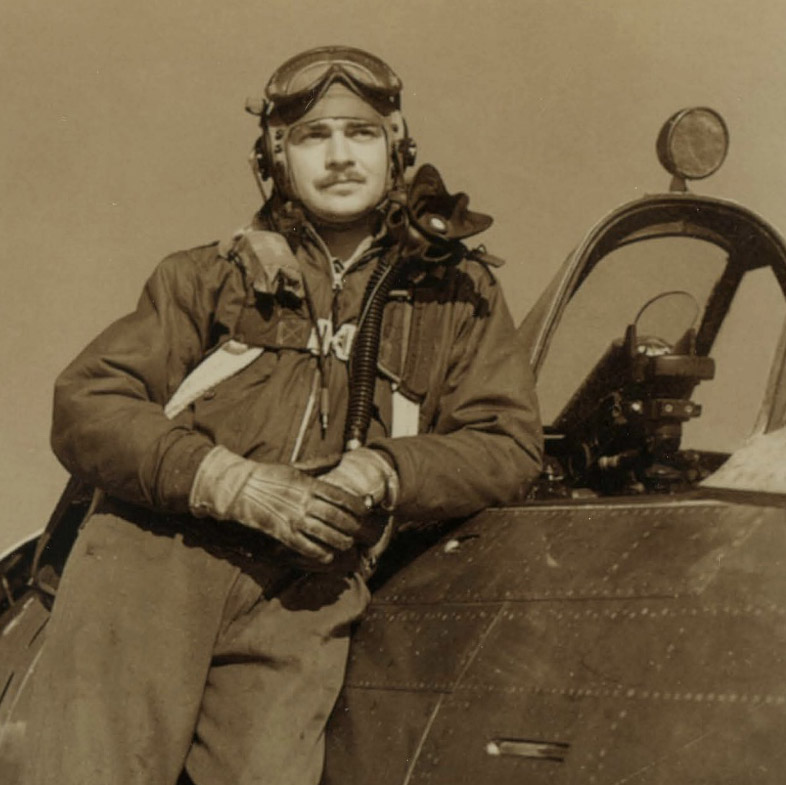
Profiles of Honor
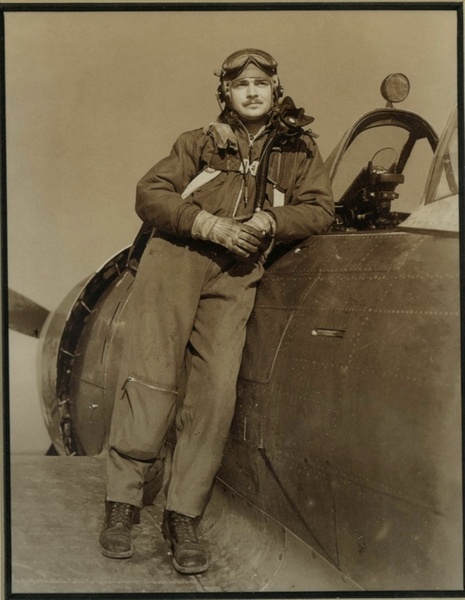
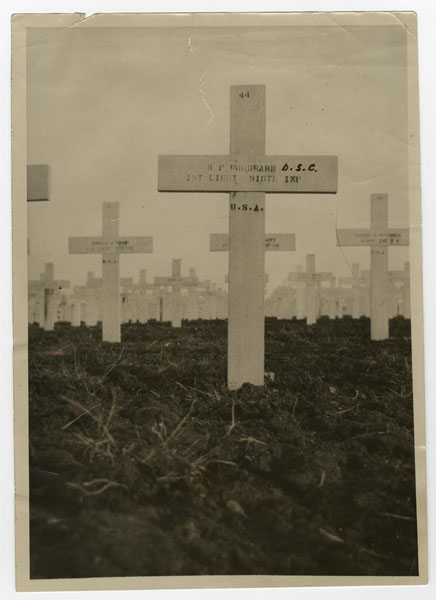
The Profiles of Honor Digital Collection commemorates the service of Virginians in World War I and World War II by preserving digital copies of images and records donated by veterans and their families. Images were digitized during the Profiles of Honor Tour, funded by the Virginia World War I and World War II Commission between 2017-2019.
-
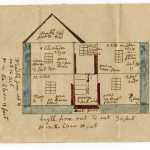
Public Buildings and Grounds Collection
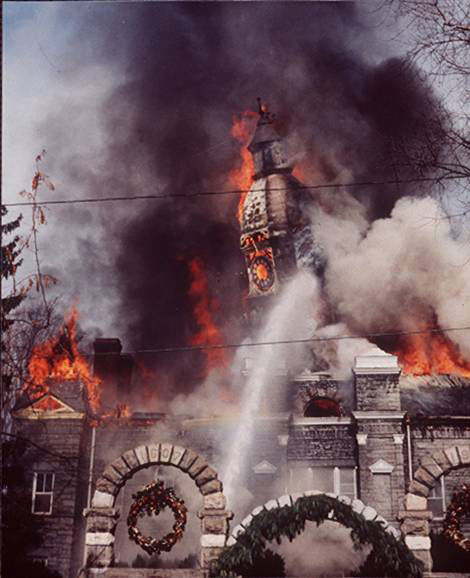
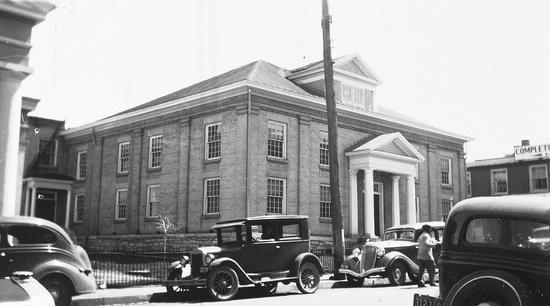
The Buildings and Grounds Collection consists of selected images from the Public Buildings and Grounds series of local government records. This series often includes reports, financial, contractual, and architectural documents related to the design, construction, condition, and alteration of local buildings like courthouses, jails, clerk's offices, and other public structures. This documentary evidence offer insight into what was literally the structure of government for most Virginians in the eighteenth and nineteenth centuries, the local court.
-
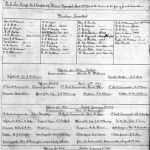
R. E. Lee Camp Confederate Soldiers' Home Applications
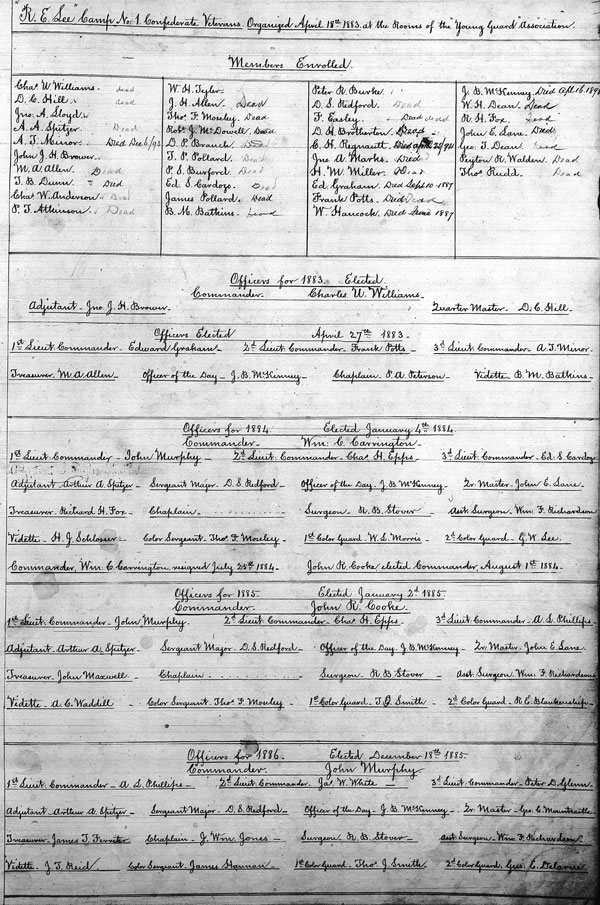
Index and images of applications to the benevolent society established in 1883 in order to aid needy former Confederate veterans in Richmond, Virginia.
-
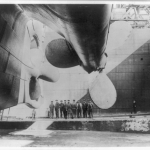
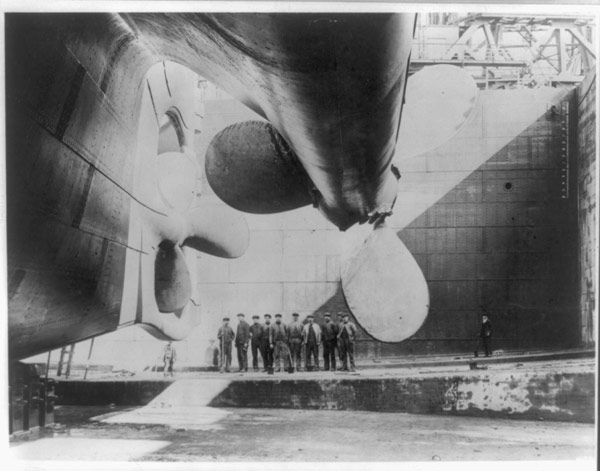
R. M. S. Titanic: 100 Years Later
The story of the Titanic -- its building, as well as its destruction -- is a great human story with cultural significance, enduring appeal, and old and new controversy. This web exhibition highlights how newspapers told the story, showing the pathos of 1500+ casualties, the heroism and/or cowardice among the passengers and crew, the very real questions relating to cause and effect, and the continuing aftermath.
-
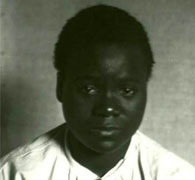
![Emmett Dudley, [Not after 1915]. Radford Public Library Photograph Collection (online collection). Library of Virginia, Richmond, VA. icon](/docs/VDLP-Radford-61a_thumb.jpg)
Radford Public Library Photograph Collection
Photographs published in The Radford Record Album in 1915. More than 225 photographs depicting residences, commercial and manufacturing buildings, churches, educational institutions, monuments, railroads, community activities, individuals, and views of the New River.
-
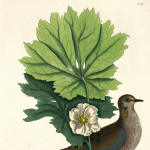
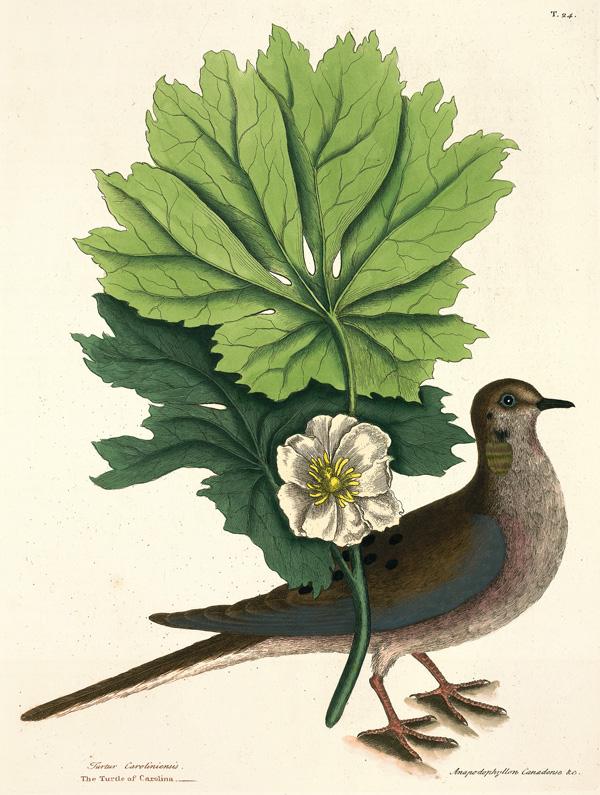
Rare Book Digital Collection
This collection of text and images features entire works, as well as selected title pages, frontispieces, illustrations, plats, maps, and designs from the pages of the Rare Book Collection. The Rare Book Collection houses 51,700 titles focused on the history and formation of Virginia, early Virginia imprints, and also includes other diverse topics that span the 16th through the 21st centuries such as agriculture, architecture, botany, customs and trades, genealogy, law, mathematics, natural history, theology, and the history of our state and the nation.
-
![Reibel. <i>_ Books to Grow on: the Modern World for Young Readers</i>. United States?: [publisher not identified], 1936. Reading & Libraries Poster Collection. icon](/docs/reading_posters_thumb.jpg)
Reading & Libraries Poster Collection
A collection of posters related to books, reading, and libraries. Most of the posters are from the 1920s and 1930s, mostly produced by the American Library Association, the Works Projects Administration, and private artists.
-
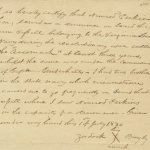
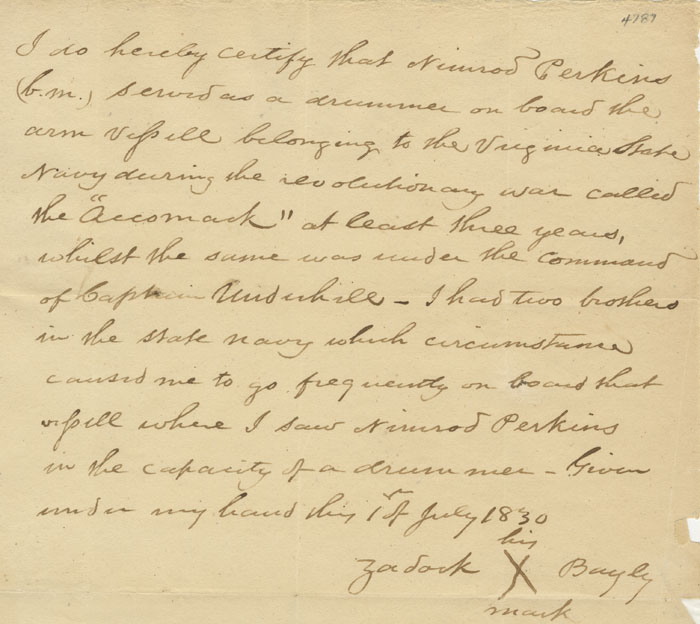
Revolutionary War Bounty Land Claims
accumulated documents intended to verify dates of service of officers, soldiers, and sailors in a Virginia or Continental army or naval unit during the Revolutionary War.
-
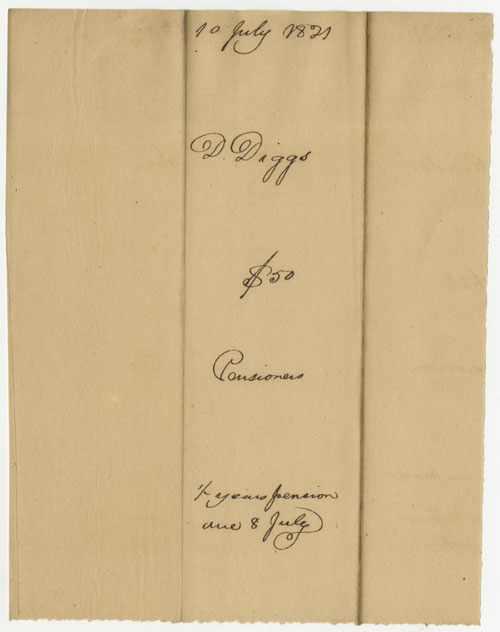
Revolutionary War Virginia State Pensions
index to and scanned images of the surviving records that veterans and their widows presented to the county courts to certify their eligibility for pension.
-
![[Libby Hill Park Neighborhood Survey], 1965. Richmond Esthetic Survey (online collection). Library of Virginia, Richmond, VA. icon](/docs/RES-survey-D009_thumb.jpg)
Richmond Esthetic and Historic Building Survey
An online search engine providing interactive access to maps, photographs, and detailed written survey reports documenting the architecture of central Richmond, Virginia, in 1965. Report, photograph, and map images are available online.
-

Roanoke County Public Library Local History Photographs
Roanoke County Local History Photograph Collection located in the Local History Room at the Hollins Branch of the Roanoke County Public Library.
-
S. Bassett French Biographical Sketches
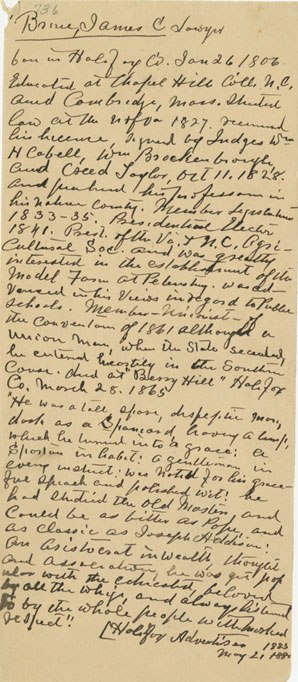
This collection of digital images provides biographical information on almost 9,000 men, compiled by French between 1890 and 1897.
-

School Buildings Service Photographs
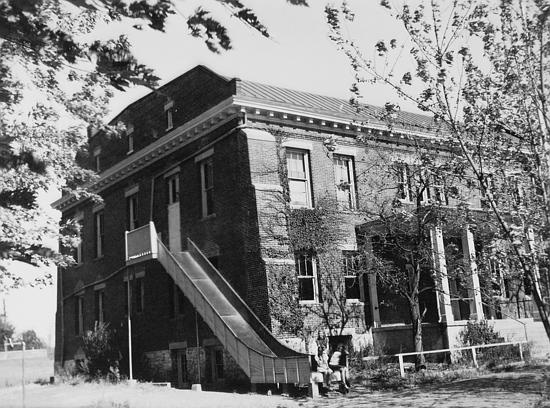
a visual record of hundreds of elementary and secondary school buildings across Virginia from the 1920s to the 1970s.
-
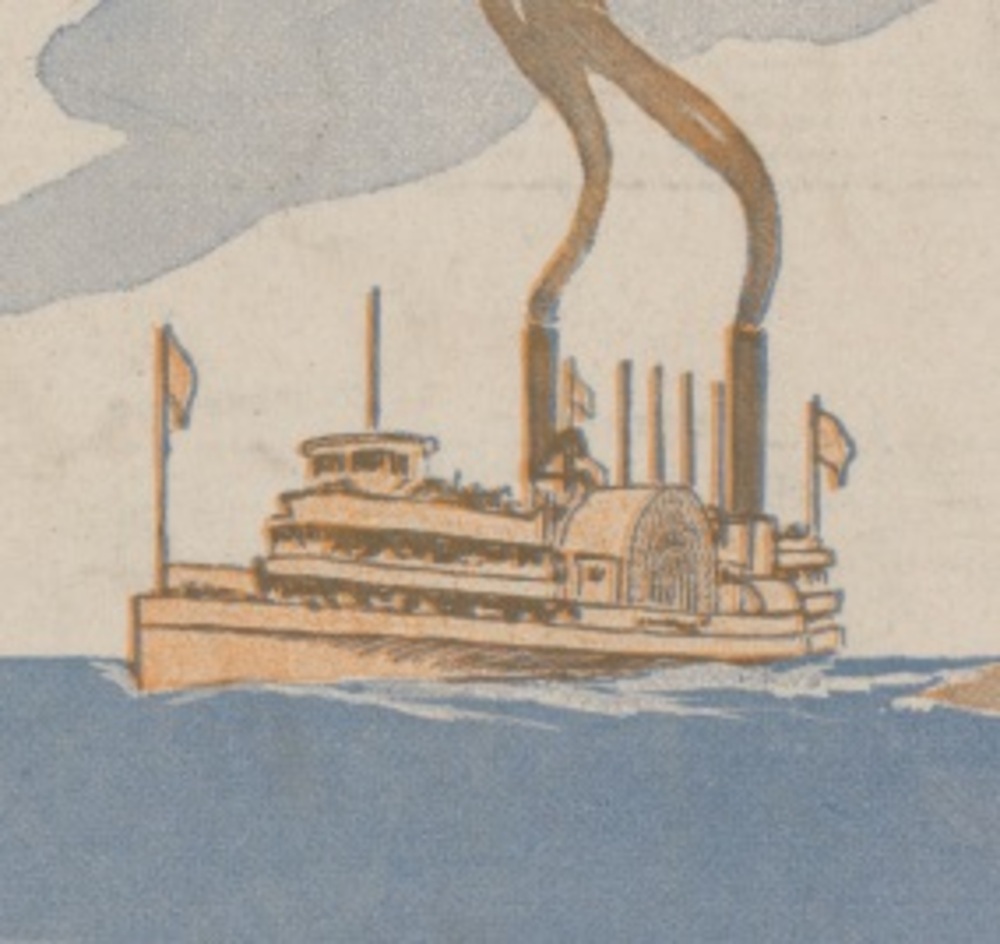
Sheet Music Digital Collection
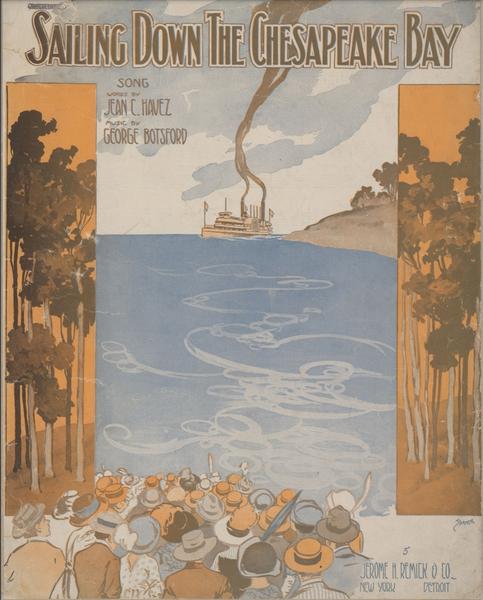
Representing a sampling of the Library of Virginia's large Sheet Music Collection, these scanned works in large part pertain to Virginia and the region during the Civil War era. The collection includes single sheets, bound volumes of scores, and personal collections representing the musical holdings of a person or family. Lyrics range from thoughtful to patriotic, to playful or funny, and many items in the collection feature colorful cover illustrations and informative text that provide additional information about the music and the context, and why it appealed to people in a given time period.
-
State Government Publications
The State Publications Depository Program provides the citizens of the commonwealth with free access to publications produced by state government agencies, boards, commissions and other government entities. The Library of Virginia collects and distributes publications to designated depository libraries around the state, and maintains a digital repository for electronic government publications. Electronic State Publications are available online here!
-
Stereograph Collection
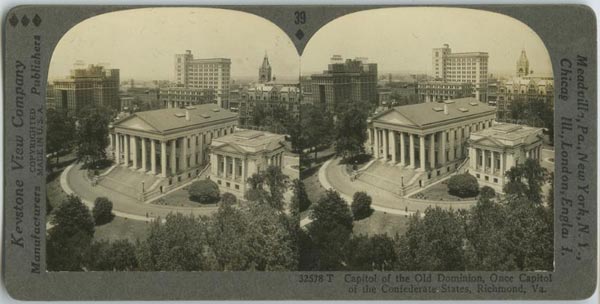
Stereoscopic views were a popular 19th century recreational pastime that enabled photographs to be viewed in three dimensions. What appear to be two identical images adjacent to each other on a cardboard support are actually slightly different. When viewed through the lenses of a stereoscope, they "merge" to form a single 3-D image. The Library of Virginia's Stereograph Collection contains 318 images from many prominent and well-known photographers from the early 1860s to the early 20th century.
-
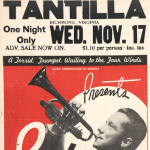
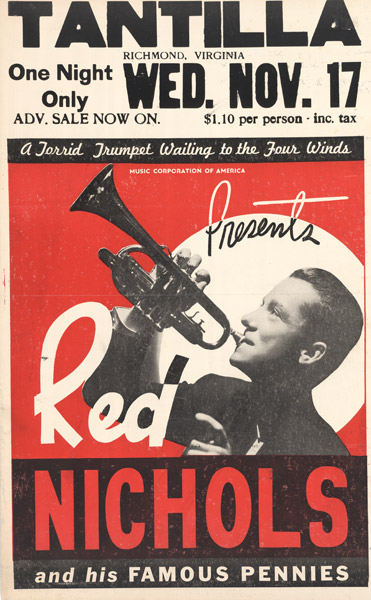
Tantilla Gardens Poster Collection
The Tantilla Gardens poster collection consists of 27 unique pieces of promotional art from a variety of musical performances that took place at this Richmond venue between 1933 and 1969. From soul to the psychedelia, orchestral to country and western, these posters evoke fond memories of very good times for those who remember "The South's Most Beautiful Ballroom."
-
![The circus comes to town and elephants parade down Tazewell’s Main Street, [1930]. Tazewell County Public Library Photographs (online collection). Library of Virginia, Richmond, VA. icon](/docs/VDLP-Tazewell-0601a_thumb.jpg)
Tazewell County Public Library Photographs
Photographs originally published in a series of volumes by the Tazewell County Historical Society. Subjects include civic, agricultural, commercial, industrial, educational, social, and religious topics. The nearly 3,900 photographs taken between the late 19th century and the 1960s also include many individuals, families, and groups.
-
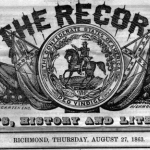
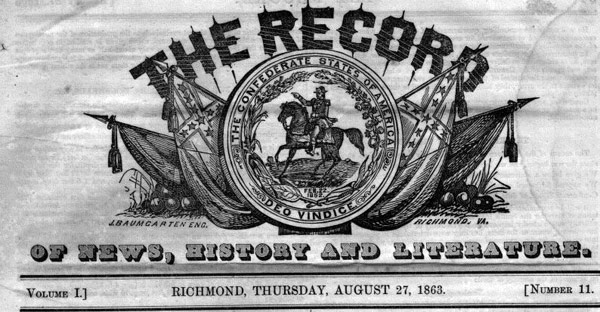
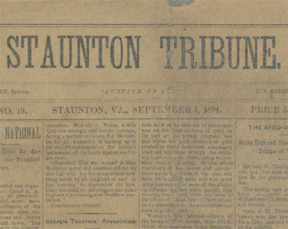
The Engraver's Art: Newspaper Mastheads
There was once an artistry in the creation of a newspaper's masthead. Whether they came from an original name, an artistic image, or a declaration of intention, newspaper mastheads (and titles) were much more vibrant than today's rather staid, computer and color enhanced examples. The Virginia Newspaper Project offers a small selection of the more interesting mastheads we have uncovered to date. Many of the linked images below are fairly large, but well worth the wait.
-

Tobacco Labels
The Tobacco Crate Label Collection contains 92 original color lithographs. The labels were created to adorn the wooden boxes used to ship tobacco from the various tobacco factories in Richmond and Petersburg during the years of 1876 to 1899. The subject matter in the lithographs features American, as well as, British Imperial history. A sample of the tobacco factories featured include: Watson & McGill, A. Hoen & Co., British American Tobacco Company, T.C. Williams Co., and David Dunlop.
-
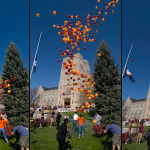
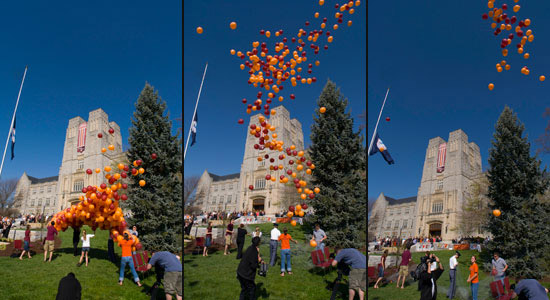
Tragedy at Virginia Tech
This collection captures Virginia Government Web sites related to the shooting at Virginia Tech on Monday, April 16, 2007. This collection includes audio excerpts from press conferences held on Tuesday, April 17, audio excerpts from the Convocation ceremony held on Tuesday, April 17, and a video stream of the entire Convocation. Also included is a list of the victims.
-

Travel Brochures Digital Collection
For more than a century, Virginia tourism brochures have enticed potential travelers with handsome graphics and tantalizing text. Generally consisting of a single large sheet, printed on both sides, and folded into a pocket-sized format, travel brochures were created not only to advertise the attractions but also to provide information on how to get there, nearby accommodations, seasonal events, and more. The Library of Virginia's collections are rich in travel-related ephemera from the 1930s through the 1950s, a period that saw a substantial increase in both the number of visitors and in the number and type of tourist destinations promoted throughout the commonwealth. Offered here are digital versions of more than a hundred eye-catching brochure covers from the collection.
-
![[The American Red Cross], March 22, 1945. U.S. Army Signal Corps Photograph Collection (online collection). Library of Virginia, Richmond, VA. icon](/docs/VTLS-SC-26-022_thumb.jpg)
U.S. Army Signal Corps Photograph Collection
Photographs from the Hampton Roads Port of Embarkation series, 1942-1946, taken by Army Signal Corps photographers assigned to the port historian's office. The nearly 3,500 photographs depict the arrival and departure of U.S. military personnel and equipment, the preparation and loading of war materials, civilian employees, Red Cross workers, wounded personnel, and German and Italian prisoners of war.
-
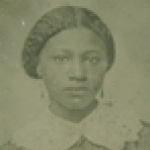
Unknown No Longer
The Virginia Museum of History & Culture launched Unknown No Longer in 2011 to make accessible biographical details of enslaved Virginians from unpublished historical records in its collections. Beginning in 2019 the unique content of Unknown No Longer is available through the Library of Virginia's Virginia Untold: African American Narrative, providing users with access to an expanded collection of resources for researching African American history in Virginia.
-

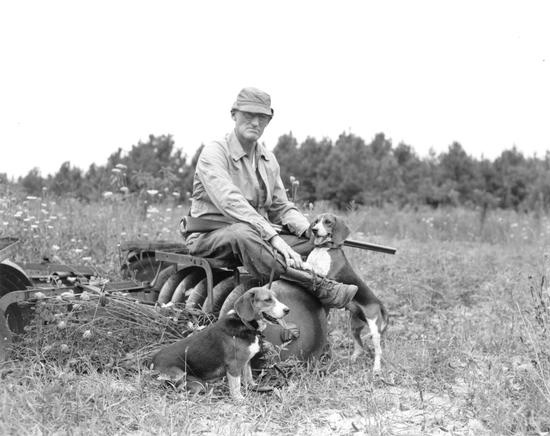
Virginia Chamber of Commerce Photograph Collection
Primarily covering the years 1922–1972, the VCC collection documents a wide range of subjects, including bridges and dams; the cotton, peanut, textile, commercial fishing, and tobacco industries; farming and harvests; the Blue Ridge Parkway and the Skyline Drive; hunting and fishing; and numerous local festivals.
-
Virginia Chronicle
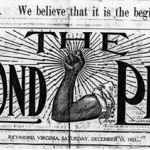
Virginia Chronicle expands on the Library's participation in the National Digital Newspaper Program's Chronicling American collection with the inclusion of Virginia imprint titles out of scope to the NDNP. The collection is full text searchable, as well as browseable by both title and date. Hardy souls can also register and help us perfect the collection's searchability by making corrections to the OCR full-text output.
-

Virginia Colonial Records Project
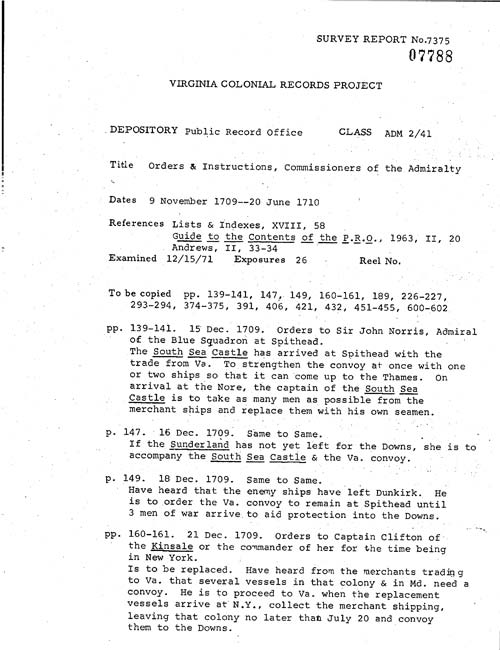
fully-searchable index to almost 15,000 reports that survey and describe documents relating to colonial Virginia history that are housed in repositories in Great Britain and other European countries. Survey report images are available online with references to microfilm reels for the original documents.
-
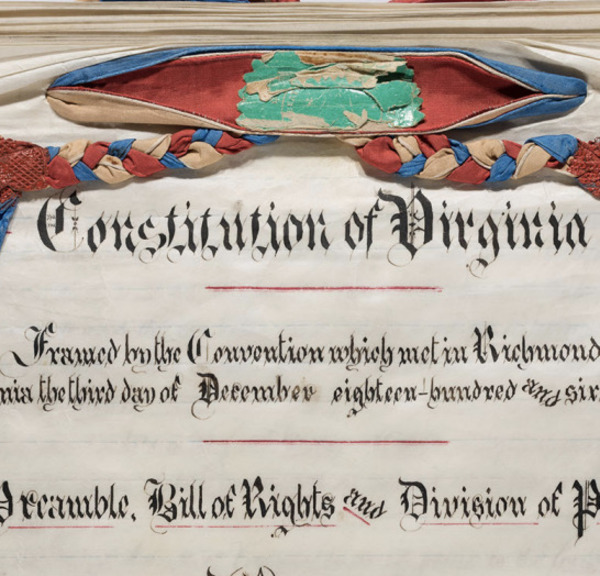
Virginia Constitutions Digital Collection
Virginia adopted its first Constitution on June 29, 1776, declaring the total dissolution of the rule of Great Britain and its monarch over the citizens of the commonwealth. Virginia also led the nation by adopting the Virginia Declaration of Rights, which later influenced the United States Constitution Bill of Rights. Since 1776, Virginia has adopted seven constitutions, including the 1928 revision to the 1902 Constitution. The 1902 Constitution (and its revision), which helped usher in Virginia's infamous era of Jim Crow, was replaced with the Constitution of 1971.
-
Virginia Czech and Slovak Folklife Festival
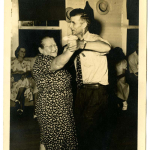
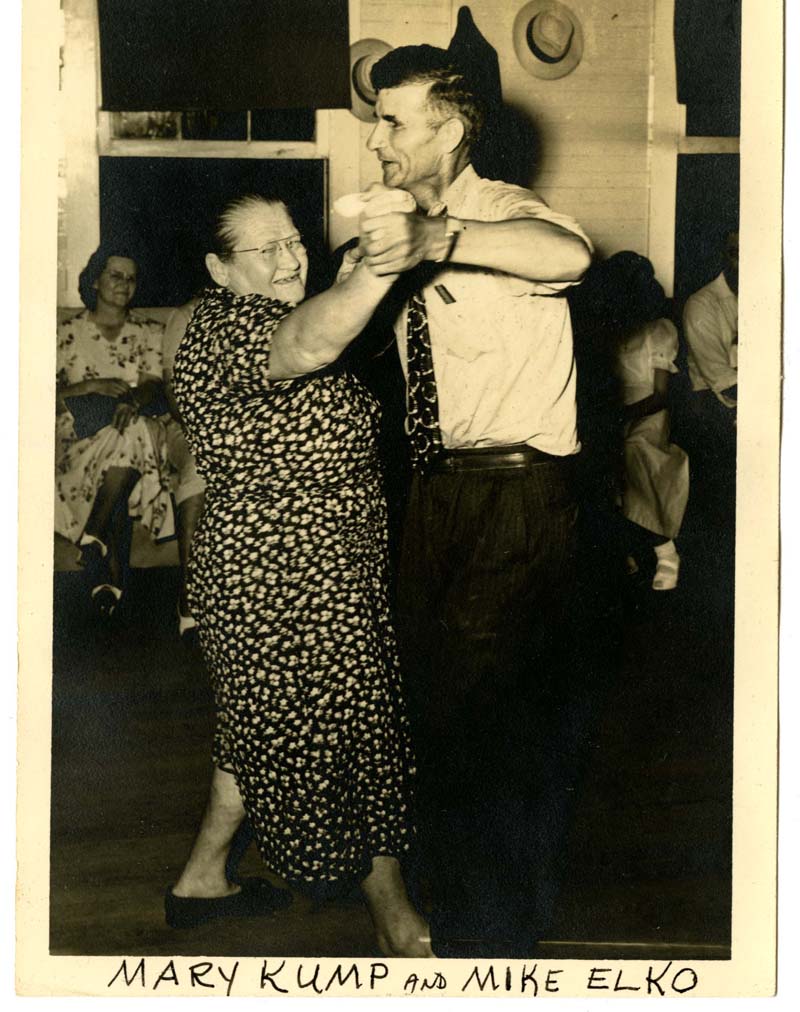
The first annual Virginia Czech and Slovak Folklife Festival, sponsored by the Virginia Czech/Slovak Heritage Society, took place on 19 October 2013 at the Prince George County Regional Heritage Center. The Library of Virginia, in partnership with the Society, was present to scan and digitize family documents and photographs documenting the history of the Czech and Slovak families in Virginia.
-
Virginia Department of Labor and Industry Safety Posters Collection
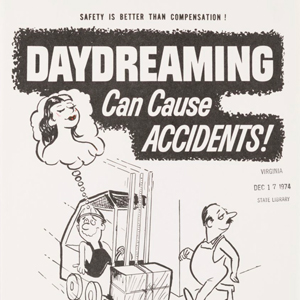
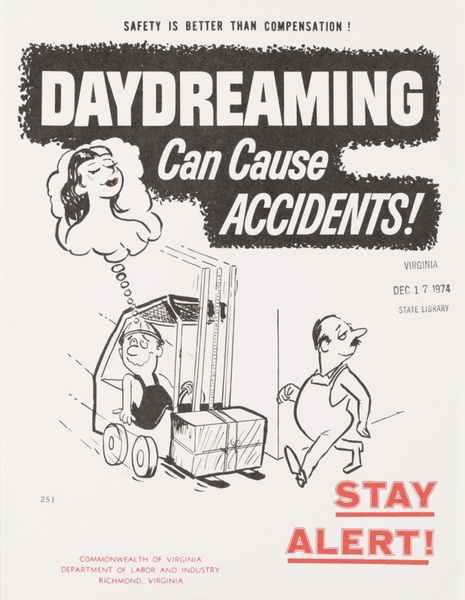
This collection consists of more than 200 posters, created by artists Dick Poythress (Richard B. Poythress) and Boyd Leffler, which were published by the Commonwealth of Virginia Department of Labor and Industry between 1953 and 1975. The posters encouraged workers to stay alert on the job in order to avoid accidents. As they progressed through time, the messages of the posters suggested a more subtle, holistic interest in the lives of state employees. They conflated the professional and the personal, cautioned against overwork at home, and emphasized the need for weekend rest and recreation.
-

Virginia Historical Inventory
photographs, maps, and detailed reports documenting the architectural, cultural, and family histories of thousands of 18th– and 19th–century buildings in communities across Virginia. This collection was originally assembled by the Virginia Writers' Project, part of the depression-era Works Progress Administration.
-
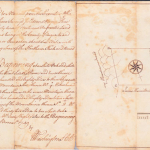
Virginia Land Office Patents and Grants
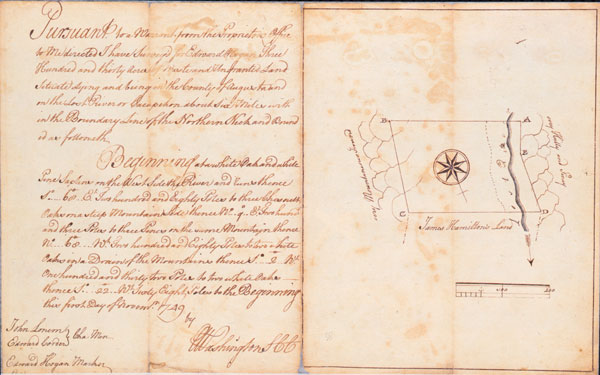
This database includes patents and grants from the crown and commonwealth from 1623 to 1994, as well as the Northern Neck Proprietary from 1692 to 1862 (images available online). Chronological views of the Land Office Patents & Grants and the Northern Neck Grants & Surveys are avialable.
-
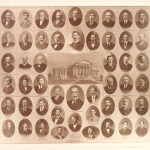
Virginia Legislature Photograph Collection
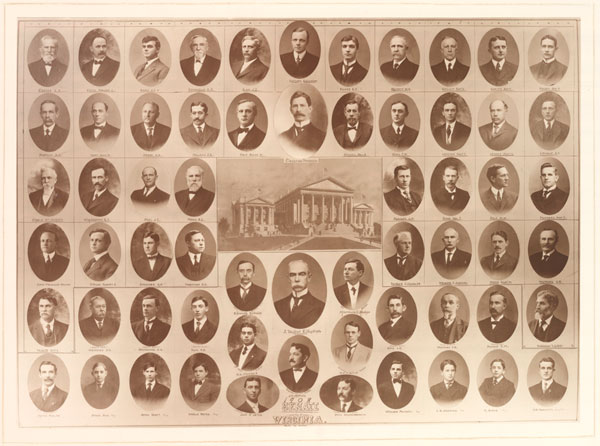
The 1776 Virginia Constitution confirmed a bicameral legislature, consisting of the House of Delegates and Senate of Virginia. The present state Constitution provides that the House of Delegates shall consist of 90 to 100 members and the Senate shall consist of 33 to 40 members. Arranged chronologically, the Virginia State Legislature Photograph Collection contains annual composite portraits of the General Assembly. The photographs range in date from 1857 to 2004, and are primarily the work of the Foster Studio and later the Dementi Studio of Richmond.
-
Virginia Organization Web Archive
In addition to the papers of individuals, families, businesses, churches, and other entities, the Private Papers section of the Library of Virginia also collects materials from Virginia organizations. Hoping to capture the online presence as well as the more traditional records of these groups, the Library has begun the process of archiving Web sites of organizations that are already represented in our collection. These include social, civic, service, cultural, and other groups that may be either entirely Virginia-based, or the Virginia branches of larger organizations.
-
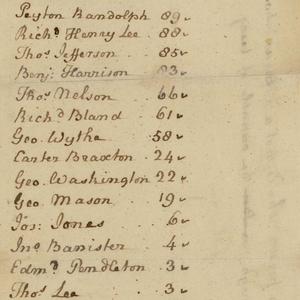
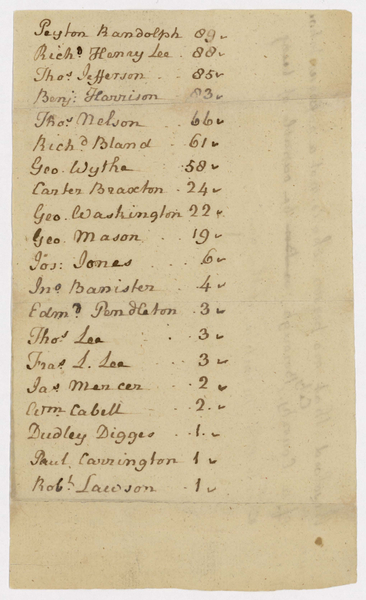
Virginia Revolutionary Conventions, 1774-1776, Digital Collection
This collection includes documents related to the five revolutionary conventions that provided Virginians with an alternative government between August 1, 1774, and July 5, 1776. The dates of the conventions were: first, August 1-6, 1774; second, March 20-27, 1775; third, July 17-August 26, 1775; fourth, December 1, 1775-January 20, 1776; fifth, May 6-July 5, 1776. This fifth convention adjourned and was replaced the next day by the new state government organized under the Virginia Constitution of 1776.
-

Virginia State Government Web Sites Collection
This collection preserves the web sites of Virginia state agencies.
-
![[George and Susan Allen.] From www.georgeallen.com, archived October 23, 2006. Virginia Statewide Election Campaign Websites, 2006, Archival Web Collections, State Records Collection, Library of Virginia. icon](/docs/index?w=150&h=150&img=arch_statewide_election.jpg)
Virginia Statewide Election Campaign Web Sites
This collection was created to capture the websites of candidates for the Virginia race for U.S. Senate 2006 November. Included are the websites for George Allen (Republican Party), Gail Parker (Independent Green Party), and Jim Webb (Democratic Party). The websites were crawled daily throughout the last three weeks of the election.
-

Virginia Untold: The African American Narrative
Virginia Untold provides access points to the individual stories of African Americans who lived in Virginia from the establishment of slavery in the 1600s until its demise in 1865. Taken as a whole, these individual stories help to shed light on the narrative of a people that has not been fully told.
-
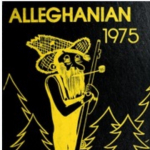
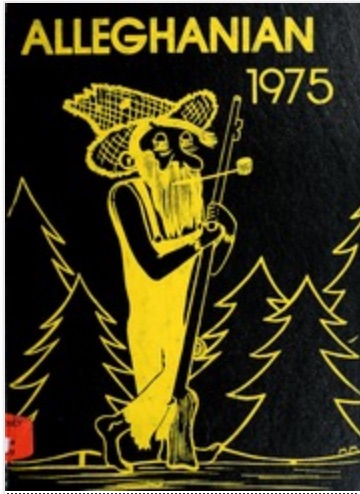
Virginia Yearbooks Digital Project
A Library of Virginia partnership with Virginia's local public libraries to digitize and make publicly accessible yearbook collections in libraries across the commonwealth Funded through the Library Services and Technology Act (LSTA), a program of the Institute of Museum and Library Services (IMLS).
-
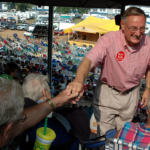
Virginia's Political Landscape, 2005
This collection preserves the web sites that document Virginia's November 2005 state-wide election. Included are former governor Mark Warner's web site, the first lady's web site, the Virginia Democratic and Republican Party web sites, as well as sites for the candidates for the offices of Governor, Lieutenant Governor and Attorney General. Also included are blogs related to the election, web sites of cabinet secretaries, and sites for Warner administration initiatives.
-
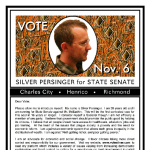
Virginia's Political Landscape, 2007
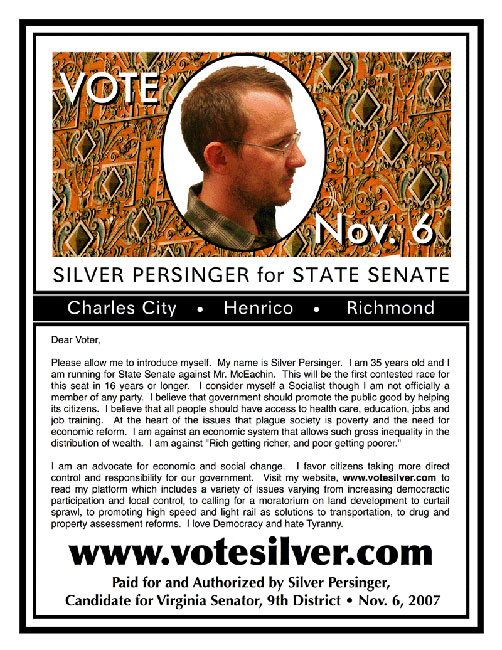
This collection preserves the web sites that document Virginia's 2007 General Assembly elections (primary and general). All 140 members of the Virginia General Assembly are up for election in 2007. Included are Web sites for candidates for the House of Delegates and Senate, the state Virginia Democratic and Republican Party Web sites, as well as Web sites for local and regional Democratic and Republican party committees. Also included are Web sites for Virginia's Congressional delegation (official and private), former Virginia Governor James S. Gilmore's 2008 Presidential campaign Web site, former Governor Mark R. Warner's PAC Web site, and two political "sunshine" Web sites: Virginia Public Access Project and Richmond Sunlight.
-

Virginia's Political Landscape, 2008
This collection preserves the Web sites that document Virginia's 2008 Congressional elections (primary and general). All 11 members of Virginia's Congressional Delegation as well as one U.S. Senate seat are up for election in 2008. Included are campaign Web sites for candidates for the U.S. House of Representatives and Senate, official sites for Virginia's Congressional delegation, the state Virginia Democratic and Republican Party Web sites, as well as Web sites for members of the Virginia General Assembly. Also included are Web sites for the Political Action Committees of Governor Tim Kaine and former Governor George Allen, the personal Web sites of Lt. Governor Bill Bolling, Attorney General Bob McDonnell and former Governor (and U.S. Senate candidate) James S. Gilmore, and two political "sunshine" Web sites: Virginia Public Access Project and Richmond Sunlight. The general election is 4 November 2008.
-
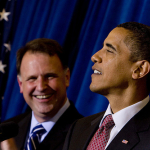
Virginia's Political Landscape, 2009
This collection preserves the Web sites that document Virginia's 2009 statewide and Virginia House of Delegates elections (primary and general). All 3 statewide offices (Governor, Lt. Governor and Attorney General) as well as all 100 members of the Virginia House of Delegates are up for election in 2009. Included are campaign Web sites for candidates for Governor, Lt. Governor, Attorney General and the House of Delegates, official sites for Virginia's Congressional delegation, the state Virginia Democratic and Republican Party Web sites, as well as Web sites for members of the Virginia General Assembly. Also included are Web sites for the Political Action Committees of Governor Tim Kaine and former Governor George Allen, and two political "sunshine" Web sites: Virginia Public Access Project and Richmond Sunlight. The primary election is 9 June 2009 and the general election is 3 November 2009.
-
Virginia's Political Landscape, 2010
This collection preserves the Web sites that document Virginia's 2010 Congressional elections (primary and general). All 11 members of Virginia's Congressional Delegation were up for election in 2010. Included are campaign Web sites for candidates for the U.S. House of Representatives, official sites for Virginia's Congressional delegation, the state Virginia Democratic and Republican Party Web sites, as well as Web sites for members of the Virginia General Assembly.
-
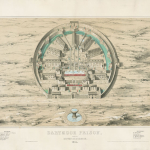
War of 1812 Bicentennial Collection
In commemoration of the bicentennial of the War of 1812, librarians and archivists at the Library of Virginia make available digitally select items relevant to Virginia's and the nation's participation in "America's Second War for Independence." We've put together a combination of unique, rare, and fascinating items that highlight our wealth of resources, including maps, family letters, state government records, local militia and court records, prints and photographs, and newspapers.
-

Waynesboro Public Library Photographs
photographs and post cards depicting a variety of subjects from the cities of Waynesboro, Staunton, and Harrisonburg and the surrounding counties of Augusta, Rockingham, and Rockbridge. More than 1,500 photographs and approximately 380 post cards.
-
Willis M. Carter Digital Collection
Willis McGlascoe Carter was born in Albemarle County, Virginia, to Samuel Carter and Rhoda Brown Carter. Born into slavery the first of eleven children, Carter was educated at Wayland Seminary in Washington D.C., became a teacher, a newspaper editor, and a statesman and political activist respected for his work to promote African American political rights and educational opportunities. This digital collection contains a sample of items from the larger, print collection held in the Private Papers Collection at the Library of Virginia.
-
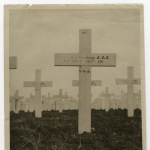
World War I History Commission Questionnaires
surveys completed by returning soldiers, or their surviving kin
-
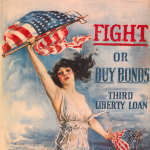
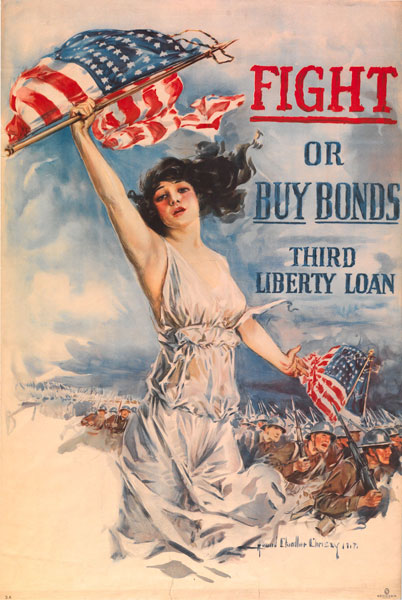
World War I Poster Collection
When the United States entered World War I in 1917, a means of communication was needed to encourage the public to support the war. The Division of Pictorial Publicity enlisted some of the era's finest artists, including Charles Dana Gibson, Howard Chandler Christy, James Montgomery Flagg, Haskell Coffin, and Joseph Christian Leyendecker, to design bold graphic posters to help spread the word. The Library of Virginia's Prints & Photographs Collection includes among its holdings a collection of 44 original World War I posters. Topics illustrated in the collection include enlistment in the armed forces, Liberty Loans and Bonds, and industrial mobilization.
-
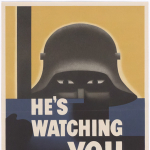
World War II Poster Collection
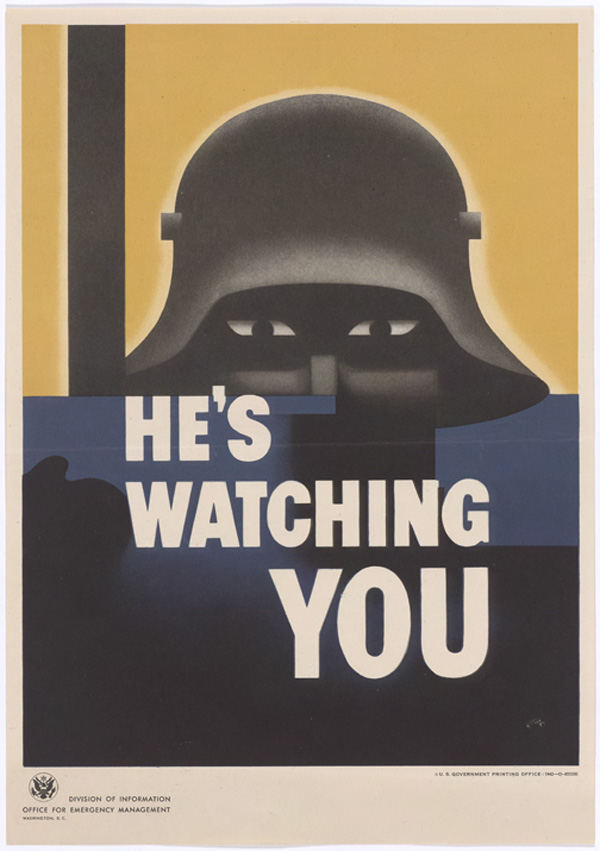
During World War II, the United States government mobilized the best ad-men available to create posters that would speak to the nation. The themes portrayed played on deep levels of fear, pride, duty, and victory. In order to beat the enemy, citizens were told through posters that they needed to work hard and sacrifice at home. To that end, the ad-men succeeded. People felt as though their efforts at home were truly helping "the boys" overseas. The Library of Virginia's World War II Poster Collection consists of over 400 original posters.
-
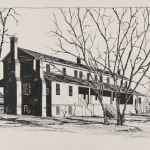
WPA Historical Houses Drawings Digital Collections
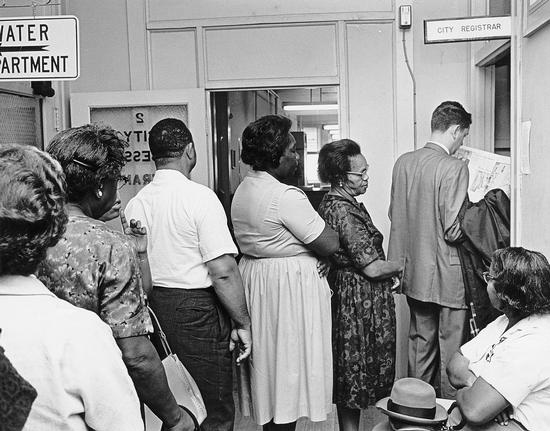
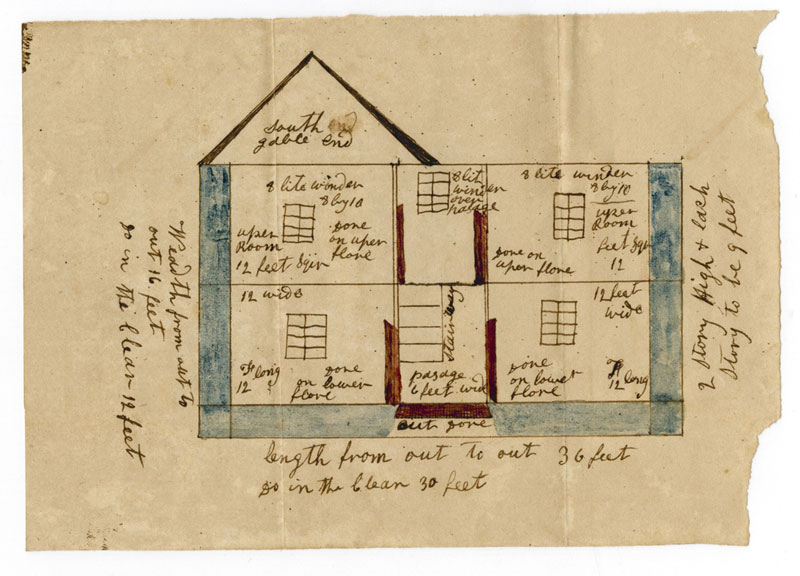
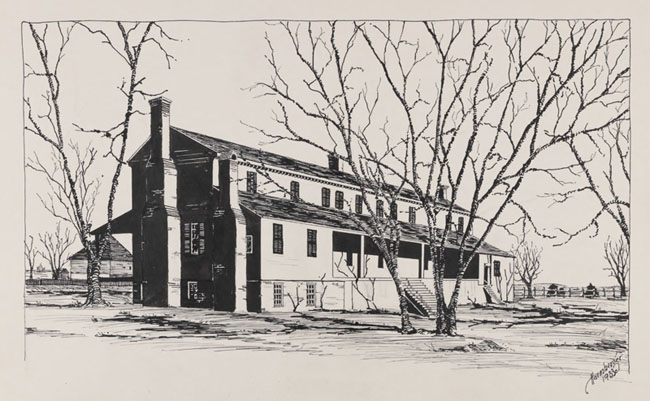
The WPA Historic Houses Drawings Collection includes 140 drawings in pen-and-ink, pencil, and watercolor of houses, courthouses, churches, mill houses, and taverns, representing 39 Virginia counties. From 1932 to 1937, the Virginia State Commission on Conservation and Development's Division of History and Archaeology received funds from the Works Progress Administration's (WPA) Federal Art Project to commission five artists, including Rex M. Allyn, Edward A. Darby, Dorothea A. Farrington, E. Neville Harnsberger, and Elsie J. Mistie, to create drawings for a publication on historic Virginia shrines. Although the drawings were never published, likely due to diminishing funds, the collection presents an important record of Virginia architecture, both traditional and vernacular, and includes images of structures that are no longer standing today. The photographs from which the drawings were based are part of the WPA Photograph and Negative Collection at the Library of Virginia.
-
![[Photograph of Nancy Curley], Vivian Curley Life History, WPA Life Histories Digital Collection, Library of Virginia. icon](/docs/index?w=150&h=150&img=00451.jpg)
WPA Life Histories Collection
This collections provides a fully–searchable index with images to approximately 1,350 life histories, social–ethnic studies, and youth studies plus more than 50 interviews with former slaves which were created by the staff of the Virginia Writers' Project.
![[Out for an early morning canter at Virginia Beach, where the air is filled with the tang of the sea], [1939]. 1939 World's Fair Photograph Collection, Special Collections Prints & Photographs, Library of Virginia, Richmond, Va. icon](/docs/WF-02-06-024.jpg)
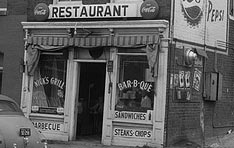
![Detail from First map of the lateral canal in the valley of Jackson's River according to the survey made in 1824 [BWP 495 (25)]. icon](/docs/bpwicon.jpg)



![Application for George W. Horsely, 1884. Confederate Disability Applications (online collection) [APA 185], Library of Virginia, Richmond, VA. icon](/docs/AL-027-00132.jpg)




![[Fairfax County Public Library, Fairfax, Virginia] [graphic]. Fairfax County Public Library Historical Collection. icon](/docs/FXCO-LIB-012.JPG)
![[Train crossing Alexandria viaduct], ca. 1957. Fairfax County Public Library Photograph Collections (online collection). Library of Virginia, Richmond, VA. icon](/docs/VDLP-Fairfax-railroad-washod_105.jpg)
![Detail from A map of the most inhabited part of Virginia containing the whole province of Maryland : with part of Pensilvania, New Jersey and North Carolina, [1755?]. Map Collection, Library of Virginia. icon](/docs/fry_jeff.jpg)


![[Infant in baby dress with dog], [1920]. Hamblin Studio Photograph Collection (online collection). Library of Virginia, Richmond, VA. Part of the Hamblin Photograph Collection housed at the Suffolk Public Library, Suffolk, VA. icon](/docs/VDLP-Suffolk-gp0163.jpg)
![Mitzi Gaynor & Andy Roberts Seafood Festival King & Queen Sep. 14-16, 1950, [1950]. Hampton Historical Collections Photographs (online collection), Library of Virginia, Richmond, VA. icon](/docs/VDLP-Hampton-0380_06.jpg)
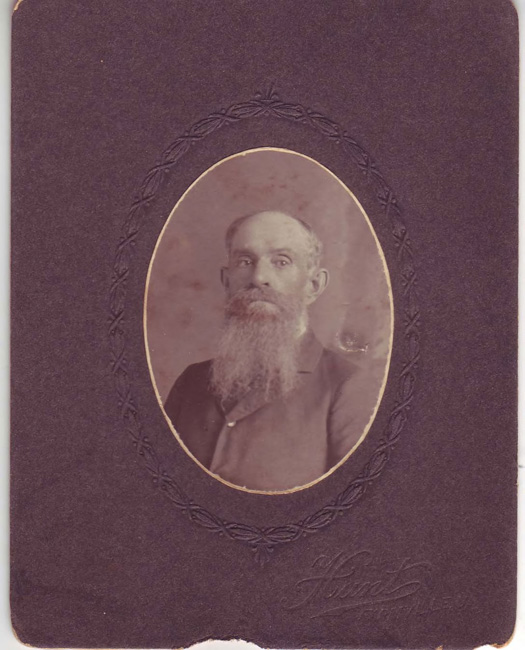



![Hilton Village, Hilton Fire Department, Hilton fire house, Main Street at Warwick in 1937, [1937]. Newport News Public Library Collection (online collection), Library of Virginia, Richmond, VA. icon](/docs/VDLP-Newport-News-181e.jpg)
![Emmett Dudley, [Not after 1915]. Radford Public Library Photograph Collection (online collection). Library of Virginia, Richmond, VA. icon](/docs/VDLP-Radford-61a.jpg)
![Reibel. <i>_ Books to Grow on: the Modern World for Young Readers</i>. United States?: [publisher not identified], 1936. Reading & Libraries Poster Collection. icon](/docs/reading_posters.jpg)
![[Libby Hill Park Neighborhood Survey], 1965. Richmond Esthetic Survey (online collection). Library of Virginia, Richmond, VA. icon](/docs/RES-survey-D009.jpg)


![The circus comes to town and elephants parade down Tazewell’s Main Street, [1930]. Tazewell County Public Library Photographs (online collection). Library of Virginia, Richmond, VA. icon](/docs/VDLP-Tazewell-0601a.jpg)


![[The American Red Cross], March 22, 1945. U.S. Army Signal Corps Photograph Collection (online collection). Library of Virginia, Richmond, VA. icon](/docs/VTLS-SC-26-022.jpg)





![[George and Susan Allen.] From www.georgeallen.com, archived October 23, 2006. Virginia Statewide Election Campaign Websites, 2006, Archival Web Collections, State Records Collection, Library of Virginia. icon](/docs/arch_statewide_election.jpg)



![[Photograph of Nancy Curley], Vivian Curley Life History, WPA Life Histories Digital Collection, Library of Virginia. icon](/docs/00451.jpg)