

 |
|-


WHAT'S NEW

COVID-19: Virginia Pubic Schools and Higher Education Collection
During the COVID-19 pandemic, the Virginia Department of Education (VDOE) issued guidance to help school divisions execute plans to continue instruction. In order to capture the implementation of VDOEs changing guidance, this collection archives each school division’s website as well as any COVID-19 specific sites from April 2020 to August 2022. Also included are COVID-19 specific websites for Virginia’s colleges and universities and the Virginia Department of Education website.

Governor Ralph Northam Administration Web Archive, 2018-2022
This collection preserves the websites that document the 2018-2022 administration of Virginia's 73rd governor, Ralph Northam. Included in the collection are the websites for the governor, his cabinet secretaries and issues and initiatives. Also included are the websites of the First Lady Pam Northam, Lt. Governor Justin Fairfax, and Attorney General Mark Herring.

Coroners' Inquisitions Digital Collection
The Coroners' Inquisitions Digital Collection contains investigations into the deaths of individuals who died by a sudden, violent, suspicious manner, or died without medical attendance. Common causes of death found in these records include deaths relating to accidents, alcohol, drowning, homicide, injuries, infanticide, medical conditions, natural causes ('visitation by God'), and suicide. See the Virginia Untold Digital Collection for inquests relating to free and enslaved Black and multiracial individuals prior to 1865

Executive Communications of the Office of the Speaker, 1776-1864
The Executive Communications contain correspondence to the Speaker of the House of Delegates between 1776 and 1864. This collection should not be confused with the Executive Papers which contain incoming correspondence directly to the Governor's Office. The Executive Communications, however, complement the Executive Papers by reiterating many of the central issues facing the Commonwealth. In addition, correspondence from the Governor often includes letters, accounts, petitions, proceedings, reports, returns, resolutions, and other documents for the consideration of the General Assembly.
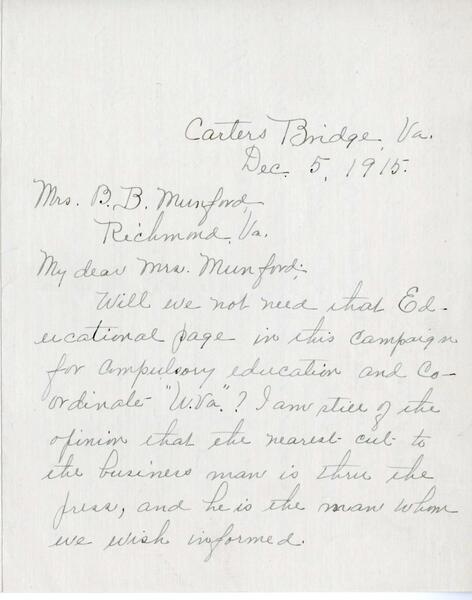
Mary-Cooke Branch Munford Papers
This collection contains correspondence related to the Co-ordinate College League, from Series I, Subseries 1 of the Mary-Cooke Branch Munford Papers (LVA Acc. 28142). Of interest are Munford's and the League's attempts to convince the University of Virginia to admit women by establishing a coordinate college with its own organization, and its own social, residence, and instruction halls. Includes correspondence from educators at the University, as well as around the state and nation, business leaders, politicians, and members of the League.
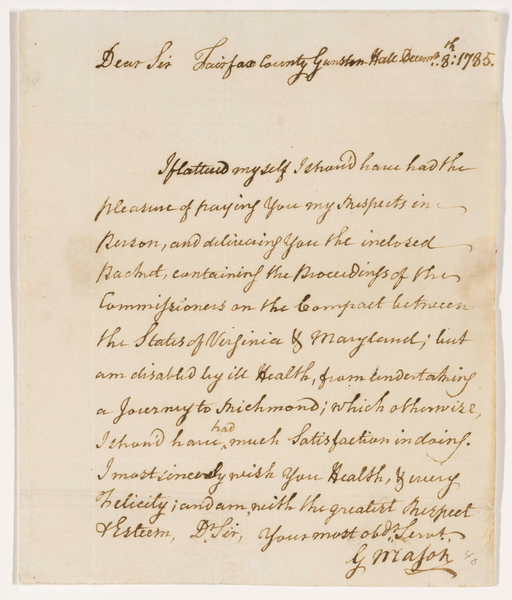
George Mason Papers, 1775-1789, Digital Collection
The George Mason Papers, 1775-1789, digital collection consists of correspondence, drafts of amendments, bills, declarations, and petitions and concern the work of Mason during the Virginia Conventions and his time in the Virginia House of Delegates. Of interest is a copy, by Mason, of the first draft of the Virginia Declaration of Rights, a draft bill for the establishment of a Land Office, and material related to the Mount Vernon Convention, which among other things established navigation rights of shared waterways between Maryland and Virginia.
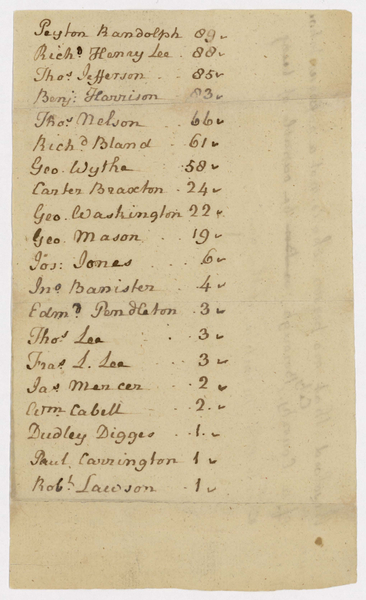
Virginia Revolutionary Conventions, 1774-1776, Digital Collection
This collection includes documents related to the five revolutionary conventions that provided Virginians with an alternative government between August 1, 1774, and July 5, 1776. The dates of the conventions were: first, August 1-6, 1774; second, March 20-27, 1775; third, July 17-August 26, 1775; fourth, December 1, 1775-January 20, 1776; fifth, May 6-July 5, 1776. This fifth convention adjourned and was replaced the next day by the new state government organized under the Virginia Constitution of 1776.
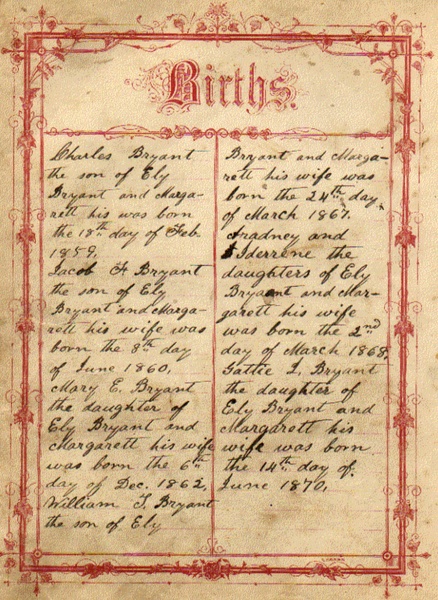
Bible Records Digital Collection
Virginia family Bible records are an important source for birth, death, and marriage dates and sometimes other personal and family information, including the births and deaths of enslaved persons. Centralized recording of vital statistics did not begin in Virginia until 1853, making early Bible Records even more valuable. The Library of Virginia has digitized over 7,000 Bible Records in its collection, which grows with new donations regularly. Some early images—usually digitized from photocopies--are less legible than more recent scans due to the poor quality of the paper records. Please contact Archives Reference at 804-692-3888 if assistance is needed.
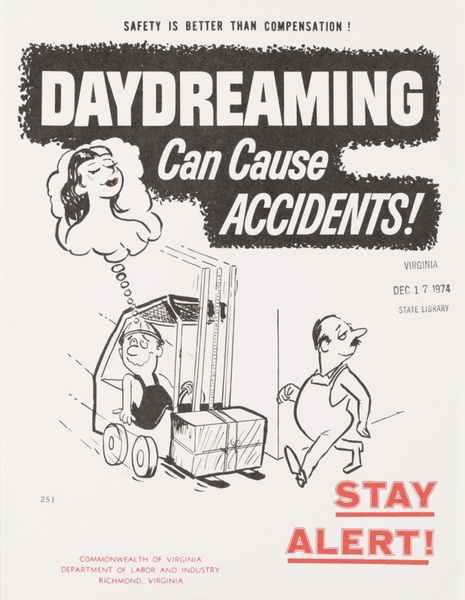
Virginia Department of Labor and Industry Safety Posters Collection
This collection consists of more than 200 posters, created by artists Dick Poythress (Richard B. Poythress) and Boyd Leffler, which were published by the Commonwealth of Virginia Department of Labor and Industry between 1953 and 1975. The posters encouraged workers to stay alert on the job in order to avoid accidents. As they progressed through time, the messages of the posters suggested a more subtle, holistic interest in the lives of state employees. They conflated the professional and the personal, cautioned against overwork at home, and emphasized the need for weekend rest and recreation.
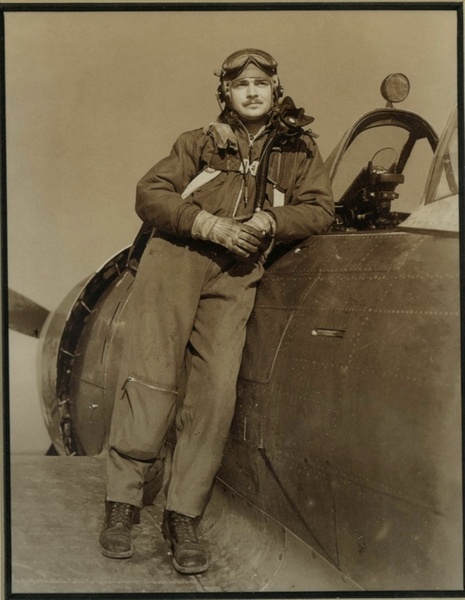
Profiles of Honor
The Profiles of Honor Digital Collection commemorates the service of Virginians in World War I and World War II by preserving digital copies of images and records donated by veterans and their families. Images were digitized during the Profiles of Honor Tour, funded by the Virginia World War I and World War II Commission between 2017-2019.
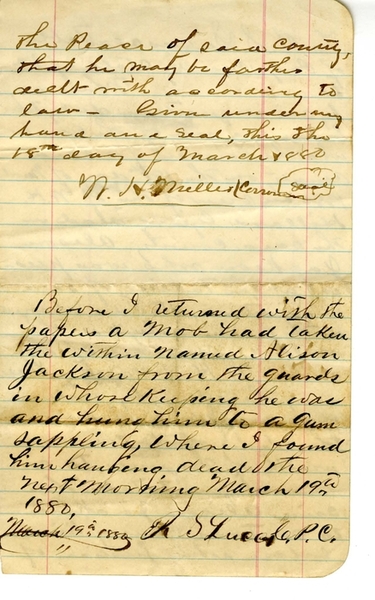
Lynching and Racial Violence Collection
This collection contains documents related to lynchings in Virginia between 1866 and 1932, specifically commonwealth causes and coroner's inquisitions housed at the Library of Virginia. Lynchings were extralegal executions of individuals who have not been tried or convicted, usually by mob violence. During the Reconstruction and Jim Crow eras in Virginia, white mobs often targeted African American men who had been accused of crimes, or violations of racial norms. The documents in this collection correspond to victims in Racial Terror: Lynchings in Virginia, a research project led by Professor Gianluca De Fazio at James Madison University. Transcriptions of these documents were generated by Justice Studies students in the 2022 Senior Seminar on Lynching and Racial Violence, taught by Professor De Fazio, using the Library of Virginia's crowdsourcing project, Making History.
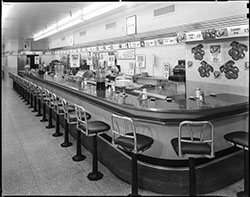
F.W. Woolworth Company from the Foster Studio Collection
Foster Studio images of F. W. Woolworth Company stores in Richmond, Virginia. Most depict the Broad Street location, and largely center on the newly renovated International Style building that opened to the public in 1954. The collection contains exterior views of the new building upon its completion, and many interior views of the sales floor, retail displays, and the lunch counters, which later became a symbol of peaceful protest in 1960, when Virginia Union University students staged a sit-in there and at the Thalhimer's lunch counter to protest segregation.
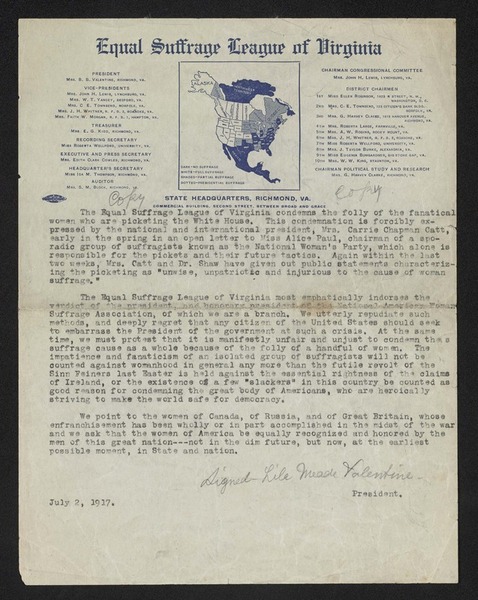
Equal Suffrage League of Virginia Records, 1908-1938
Digitized portions of the Equal Suffrage League of Virginia Records (Accession 22002), focusing on the materials created by members of the Equal Suffrage League, as well as some documents from the early years of the Virginia League of Women Voters. The collection includes correspondence between officers and with local ESL chapters, meeting minutes, state convention minutes and programs, news bulletins, broadsides and pamphlets, financial records, membership lists, and local chapter information. Published materials of the National American Woman Suffrage Association, the national League of Women Voters, and other organizations have not been digitized as part of this online collection, although they are available for use in the Archives Reading Room at the Library.
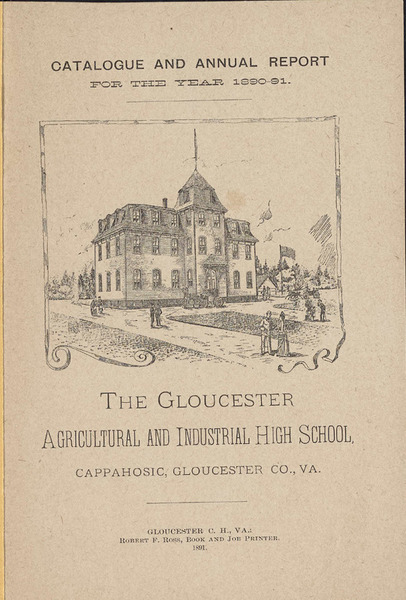
Gloucester Agricultural and Industrial School Records, 1877-1929
Records, 1877-1929, of the Gloucester Agricultural and Industrial School in Gloucester County, Virginia, founded in 1888 by William B. Weaver (1852-1929) and Thomas Calhoun Walker (1862-1953) to educate African Americans. Included are articles on the school, catalogues, circulars and forms, correspondence, deeds, programs, and teacher licenses. Of note is a minute and record book containing minutes from the school's formation, as well as invitations and flyers, including to programs where Frederick Douglass was the speaker. The Gloucester Agricultural and Industrial School records are part of the Weaver Orphan Home records (LVA accession 51625). The rest of the Weaver Orphan Home records are closed until 2065.
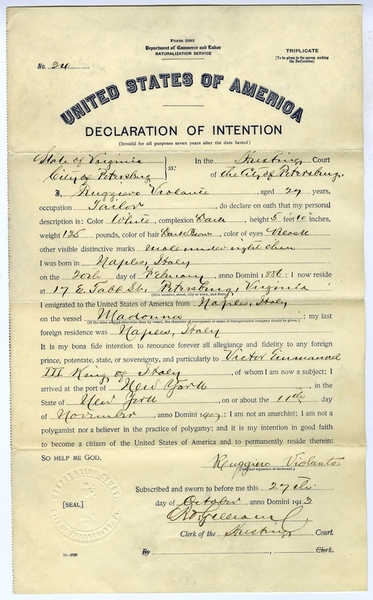
Naturalizations Digital Collection
Naturalization records typically include affidavits, reports for naturalization, declarations of intent to become United States citizens, and notices of application for admission of citizenship. The reports are narrative accounts made by applicants summarizing their journey to the United States. The declarations of intent record the person's name, place of birth, age, country of previous citizenship, renunciation of allegiance and fidelity to the nation of which the person is currently a citizen, and the date the intention was sworn. Also found in the collection are affidavits filed with the reports and declarations. They were given by individuals who knew the applicant and could vouch for their loyalty to the United States.
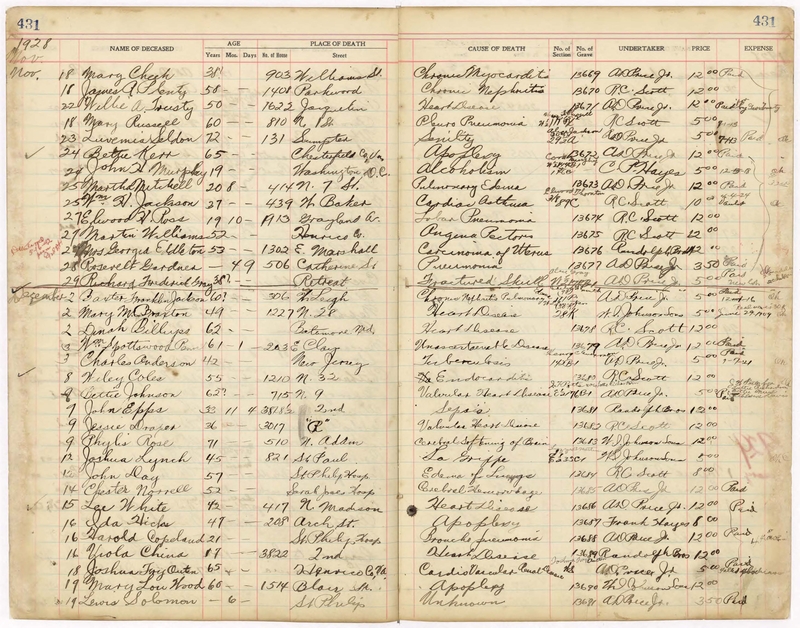
Evergreen and Woodland Cemeteries Digital Collection
Evergreen Cemetery is a historic African-American cemetery located in the East End neighborhood of Richmond, Virginia. Founded in 1891 as an African-American equivalent to Hollywood Cemetery, many notable African Americans are interred at Evergreen, including Maggie L. Walker, John Mitchell, Jr., and A.D. Price. Located in Henrico County, Woodland Cemetery was established in 1917 by the Woodland Cemetery Corporation, led by president John Mitchell, Jr. The site of interment of Arthur Ashe, Woodland Cemetery is the home to many of Richmond's wealthy and noteworthy African-American residents. Interment records are in the form of ledgers and index cards.
![Reibel. <i>_ Books to Grow on: the Modern World for Young Readers</i>. United States?: [publisher not identified], 1936. Reading & Libraries Poster Collection. icon](/docs/reading_posters.jpg)
Reading & Libraries Poster Collection
A collection of posters related to books, reading, and libraries. Most of the posters are from the 1920s and 1930s, mostly produced by the American Library Association, the Works Projects Administration, and private artists.

Virginia Constitutions Digital Collection
Virginia adopted its first Constitution on June 29, 1776, declaring the total dissolution of the rule of Great Britain and its monarch over the citizens of the commonwealth. Virginia also led the nation by adopting the Virginia Declaration of Rights, which later influenced the United States Constitution Bill of Rights. Since 1776, Virginia has adopted seven constitutions, including the 1928 revision to the 1902 Constitution. The 1902 Constitution (and its revision), which helped usher in Virginia's infamous era of Jim Crow, was replaced with the Constitution of 1971.
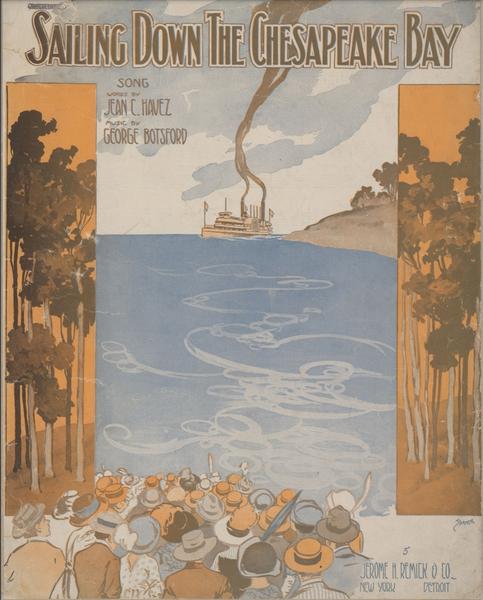
Sheet Music Digital Collection
Representing a sampling of the Library of Virginia's large Sheet Music Collection, these scanned works in large part pertain to Virginia and the region during the Civil War era. The collection includes single sheets, bound volumes of scores, and personal collections representing the musical holdings of a person or family. Lyrics range from thoughtful to patriotic, to playful or funny, and many items in the collection feature colorful cover illustrations and informative text that provide additional information about the music and the context, and why it appealed to people in a given time period.
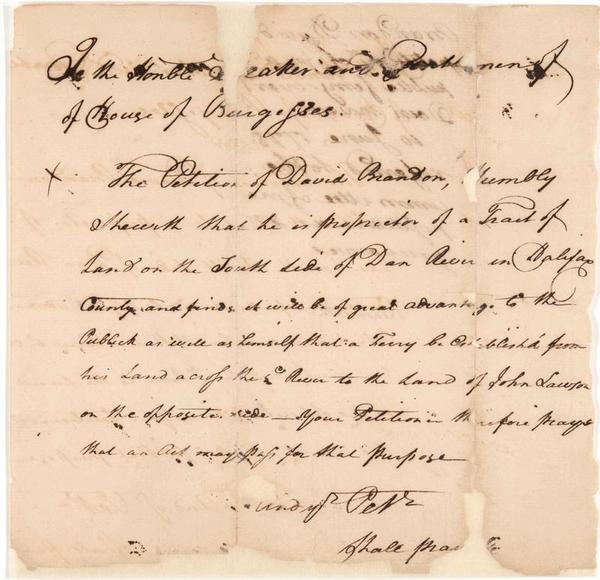
Colonial Papers
The Colonial Papers contain a collection of loose papers more closely connected by age than by any other single factor that consist largely of records kept by the clerk of the colonial council, House of Burgesses, the governor and other officials, relating to county as well as colony-wide government. The records of the colonial government have, for the most part, been destroyed by wars, fires, and early neglect. The collection consists of petitions to the governor or House of Burgesses, court records, orders, summonses, patents, accounts, proceedings, returns, grants, proclamations, addresses, certificates and correspondence.
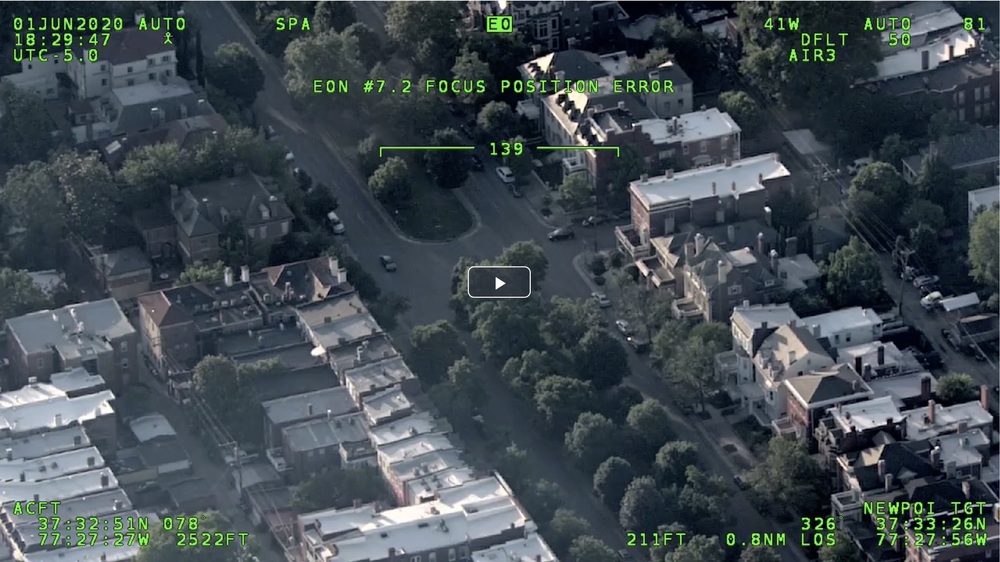
City of Richmond 1 June 2020 Protest Collection
City of Richmond (Va.) records pertaining to the events surrounding protests along Monument Avenue on 1 June 2020. The records came to the Library of Virginia as part of the settlement agreement between Jonathan Arthur, Ryan Tagg, Keenan Angel, Christopher Gayler, Megan Blackwood, and Jarrod Blackwood (plaintiffs), and the city (defendant). The suit was filed over the use of tear gas on protesters demonstrating at the Lee Monument.