

 |
|-


PAST EXHIBITIONS
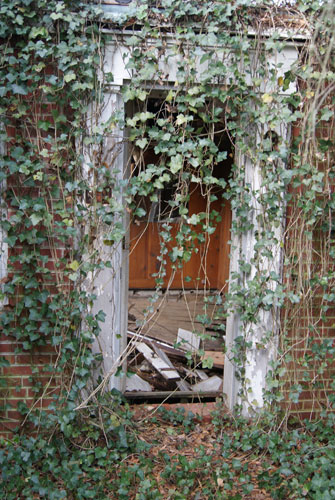
No Vacancy: Remnants of Virginia's Roadside Culture
(October 15, 2013—February 22, 2014)
The next time you drive along Route 1, glance out the window and look for an old motel. Some are now disguised as antique malls, others are abandoned and exist as haunting reminders of a bygone era, and those still operating don't look as inviting as they may once have appeared. Imagine these tourist cottages and motels in their heyday, however! Bright neon signs flashed "No Vacancy." Families unloaded cars for a night's rest. Hungry travelers ordered hot chicken dinners in the motel's restaurant before turning in for the night.
From October 15, 2013–February 22, 2014, a photography exhibition at the Library of Virginia, “No Vacancy: Remnants of Virginia's Roadside Culture,” focused on a selection of motels and tourist courts found along Virginia's historic Route 1, weaving the individual stories into their historical context. The more than 25 historic and contemporary photographs and accompanying text in the exhibition shed light on historic architectural elements, presented the significance of race and class in the history of travel, and demonstrated how the perception and operation of motels had changed over time. The motels were also explored through an array of ephemeral items including travel guides, postcards, and advertisements.
"No Vacancy" promoted nostalgic memories of family road trips, shared the tales of the Virginians who operated the motels, and inspired us to pay attention to our cultural landscape. From campsites to quaint cottages to sleek modern accommodations, motels tell the story of travel and society in Virginia during the 20th and 21st centuries.
You can now view some of the vintage motel postcards used in the exhibit over on the LVA Pinterest account: http://www.pinterest.com/libraryofva/vintage-motel-postcards/.
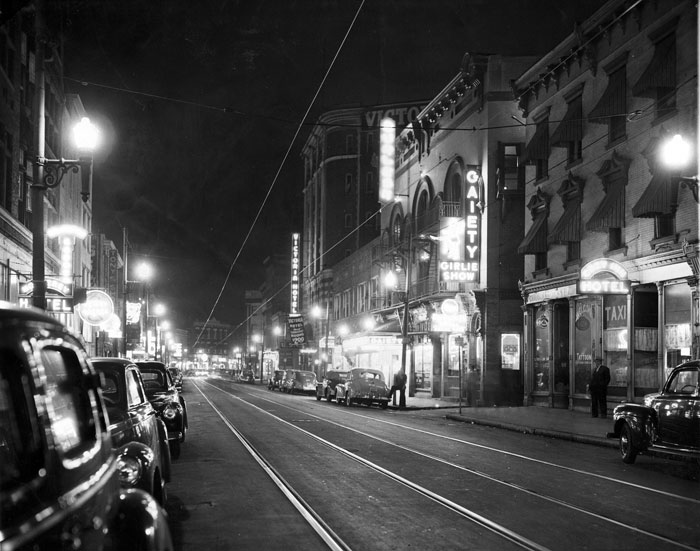
Dark Side: Night Photography in Virginia
(June 10, 2013—October 5, 2013)
Night holds a special place in the heart of photography. The geometry of light and shadow creates an interplay of mystery, possibility, and the foreboding of the unknown. Rather than looking at night photography as an extension of daytime shooting with added complications, night photographers embrace the unique challenges of nocturnal photography for the tremendous creative opportunities it offers.
Due to the limited sensitivity of early photographic processes, exposure times were exceedingly long, even in the daytime. It wasn't until 1878, when the first dry plate glass negative was introduced, with its greater sensitivity that opened the doors to night photography. While many amateurs experimented with night photography in the 1880s, the earliest, artistically considered bodies of night images were made by Paul Martin in London in 1895 and soon after by Alfred Stieglitz in New York. The timing of this work was, in part, a response to the beauty of electric lights - a relatively recent innovation that had transformed the look of the urban night. This fascination with incandescent street lighting can be seen in many of the night photos taken by Virginia photographer Harry C. Mann.
Advances in night photography have paralleled advances in photographic technology for the last hundred years, and as night photography has become increasingly more accessible, an ever-increasing number of photographers engage in the practice on a regular, rather than occasional or experimental, basis. The exhibition shows how the art and technology of photography are linked, one often driving the other, and also explores some of the latest technologies of nighttime photography.
Drawn from the Library's photograph collections, Dark Side: Night Photography in Virginia includes images ranging from the 1890s to the present.
Inspired by these night scenes, we're inviting aspiring writers to interpret these works and submit to the Dark Side writing contest. Please see http://www.virginiamemory.com/blogs/dark-side/ for full details and eligible images.
You Have No Right: Law & Justice in Virginia
(September 24, 2012—May 18, 2013)
The actions of Virginians provide particularly good examples to learn about the role of the law and the courts in defining and protecting the rights and liberties of American citizenship. The state's legal culture and how Virginians interpret the concepts of law and justice are the results of the actions of private citizens and of men and women who hold public office or serve the public as officers of the courts. Legislators make the laws, and judges interpret and apply the laws, but voters, jurors, and citizens are in many ways influential participants in shaping the laws, the legal process, and how courts and other legal institutions function.

Lost & Found
(February 27, 2012—August 25, 2012)
Fading black-and-white photographs and yellowing handwritten letters in a safe deposit box. The records of a historic African American business found in a dumpster. The conscious decision to destroy private papers. The destruction of archives by chance and nature. All illustrate what we collect and value in our cultural landscape.
Lost and Found, a new exhibition opening at the Library of Virginia on February 27, examines the constantly changing fabric of our world. Things disappear, sometimes almost without notice-signs, buildings, even towns-and others go into attics, basements, and landfills. Some are saved and carefully stored and preserved; others intentionally destroyed, sometimes dramatically.
Most of us collect something-baseball cards or autographs, books or family mementos. Many of us create scrapbooks that reflect our personal interests. Lost and Found showcases the personal and the professional, the ephemeral and the profound, examples of personal collections, scrapbooks, and time capsules. It tells large stories and small ones. The exhibition highlights items in the Library's vast collections that offer intriguing glimpses into our past and show the promise of new endeavors such as the Civil War 150 Legacy Project in garnering greater insight into our shared history.
Lost and Found runs through August 25, 2012, and is free and open to the public Monday through Saturday from 9:00 AM to 5:00 PM, excluding state holidays.
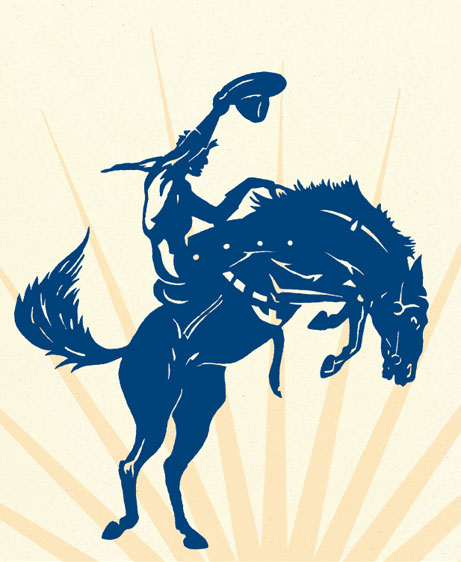
American Letterpress: The Art of Hatch Show Print
(December 5, 2011—February 4, 2012)
Exhibition: December 5, 2011 — February 4, 2012
"Advertising without posters is like fishing without worms."
— The Hatch Brothers
This sentiment was certainly true in 1879 when brothers Herbert H. and Charles R. Hatch opened Hatch Show Print, a printing shop in Nashville, Tennessee. Their handcrafted posters screamed slogans such as "More Power, More Pep," "So Many Girls You Can't Count Them All," and "Always Clean, Always Good." Almost 130 years later, Hatch posters hold their own, offering a stirring and refreshingly tactile contrast to the digital advertising world.
The Smithsonian Institution Traveling Exhibition Service in partnership with the Country Music Hall of Fame and Museum celebrates this time-honored graphic art tradition. American Letterpress: The Art of Hatch Show Print opened at the Experience Music Project in Seattle on Oct. 11, 2008, and has traveled to additional museums over the last few years, including the Austin Museum of Art (Texas), Tulane University's Newcomb Art Gallery in New Orleans, and the Georgia Museum of Art in Athens.
Union or Secession
(December 6, 2010—October 29, 2011)
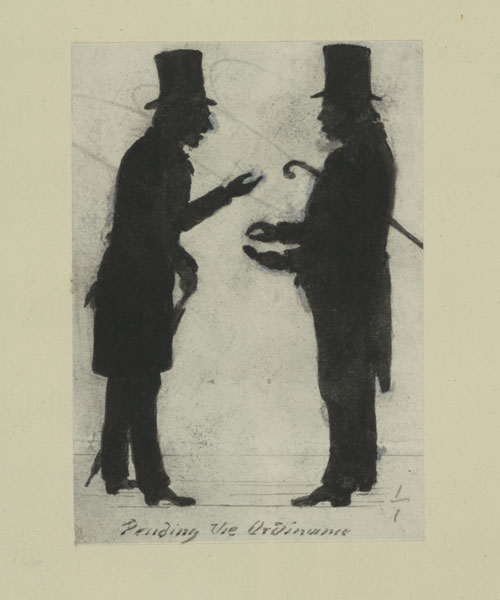
What were Virginians thinking and discussing as the first Southern states withdrew from the United States following the election of Abraham Lincoln in November 1860? Why was Virginia’s decision critical to America’s fate in 1861 and key to the ultimate course and outcome of the sectional crisis?
Virginia was central to American identity for its role in the founding of the United States and its political principles. Both the Confederacy and the Union wanted to claim Virginia’s historical legacy. Union or Secession explores what Virginians thought and debated as the crisis unfolded. Explore the choices Virginians faced as they decided their fate and the lasting consequences of their decisions for Virginia and the nation.
The Land We Live In, The Land We Left
(January 11, 2010—October 30, 2010)
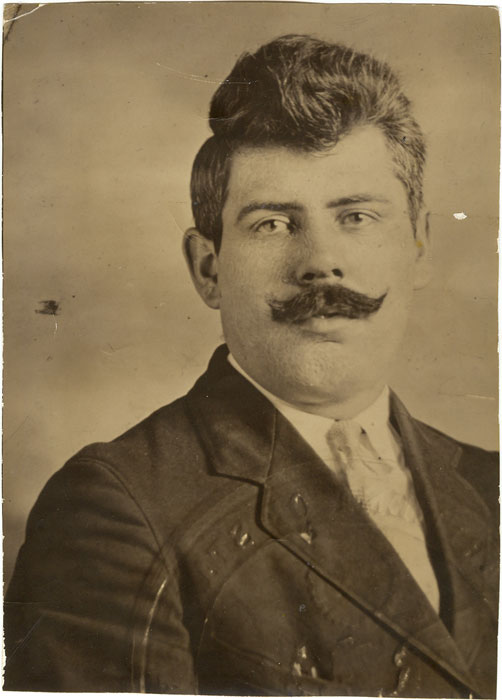
The Land We Live In, The Land We Left explores over 400 years of immigration to Virginia—the people drawn here and brought here—sometimes against their will—and the traditions and customs of their homelands that came with them, helping to shape both their communities and the commonwealth.
Poe: Man, Myth, or Monster?
(July 20, 2009—December 5, 2009)
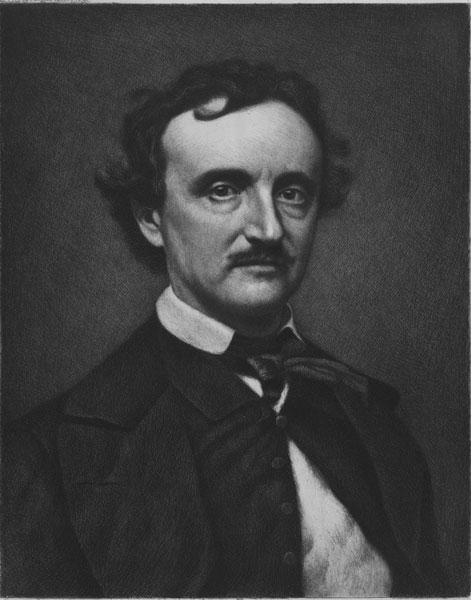
Who is Edgar Allan Poe? An instantly recognizable American author and historical figure, his name calls to mind spine-chilling stories and melancholy poetry. He evokes the image of the tragic romantic poet, misunderstood and rejected by society. We are so familiar with his life and work that we already know him. Or do we?
From Williamsburg to Wills's Creek: The Fry-Jefferson Map
(August 18, 2008—May 30, 2009)
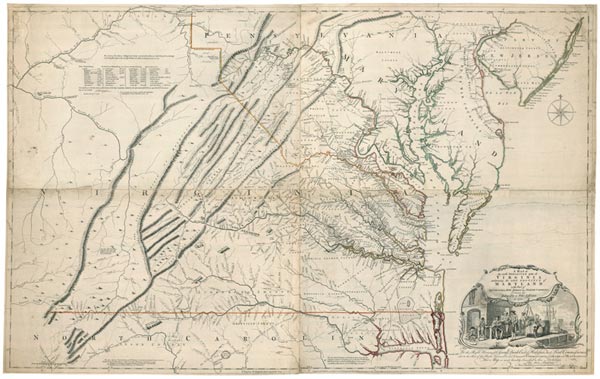
This exhibition focuses on the sources and sequels of the Fry–Jefferson map, created by Joshua Fry and Peter Jefferson in 1755. The exhibition examines the role of surveyors in colonial Virginia, the importance of the surveying experience for Joshua Fry and Peter Jefferson in creating their important map, and the influence of their map on later cartographic representations of Virginia. The published map included Fry and Jefferson's completed border survey for the western bounds of the Northern Neck and the dividing line between Virginia and North Carolina. For the first time the entire Virginia river system was properly delineated, and the northeast-southwest orientation of the Appalachian Mountains was displayed.
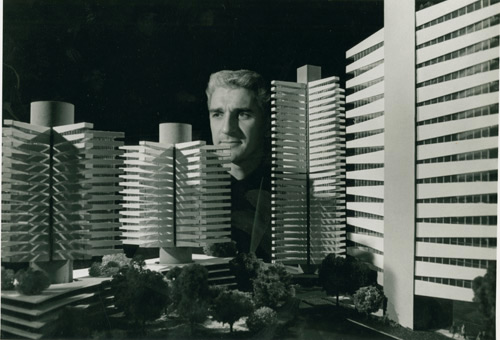
Never Built Virginia
(January 11, 2008—January 26, 2008)
From Thomas Jefferson's design of the Virginia State Capitol to Northern Virginia's soaring post-modern structures of glass and steel, the commonwealth's architectural triumphs are well-documented. But what of those that never made it beyond the drawing board? Never Built Virginia explored a variety of proposed architectural projects from around the commonwealth that remained unbuilt because the architecture was too radical, because funding collapsed, or because they lost favor with their patrons.